What Is a Mixtape? The Lost Art of the 80s Cassette Tape
Before playlists. Before streaming. Before you could just text someone a Spotify link and call it a day, there was the mixtape. And making one for somebody was a whole event.
You sat by the radio for hours, finger hovering over the record button, waiting for your song to come on and praying the DJ wouldn’t talk over the intro. You timed the gaps between tracks. You wrote out the song list in your neatest handwriting on that little paper insert. You agonized over the order like it was a thesis statement about who you were as a person.
A mixtape wasn’t just music. It was a love letter. A personality test. A very long, very earnest message that said things you couldn’t quite say out loud.
So What Actually Is a Mixtape?
A mixtape is a compilation of songs recorded onto a cassette tape, usually in a specific order chosen by the person making it. The word “mix” comes from mixing different songs together into one cohesive listening experience, your experience, curated by someone who cared enough to spend three hours on it.
Mixtapes became popular in the late 1970s when affordable cassette recorders made it possible for regular people, not just DJs or radio stations, to record and share music. By the 1980s, they were everywhere. Every teenager had a shoebox full of them. Every bedroom had a dual-cassette boombox specifically for making them.
The format was simple: you had about 45 minutes per side of a 90-minute tape. You filled that time with whatever songs felt right, in whatever order felt right, and hoped the recipient got the message you were trying to send.
The Art of Making a Mixtape
There was real skill involved. You couldn’t just drag and drop. Every song choice mattered, and the sequencing mattered even more.
You had to think about flow. You couldn’t put two slow songs back to back unless you were going for maximum devastation. You had to think about the opener, something that grabbed attention immediately, and the closer, the one that lingered after the tape ended.
You had to time everything. If a song ran 4:32 and you only had 4 minutes left on the side, you had a problem. You’d either cut it short (sacrilege) or swap it for a shorter song and push the longer one to Side B. This was engineering. This was logistics.
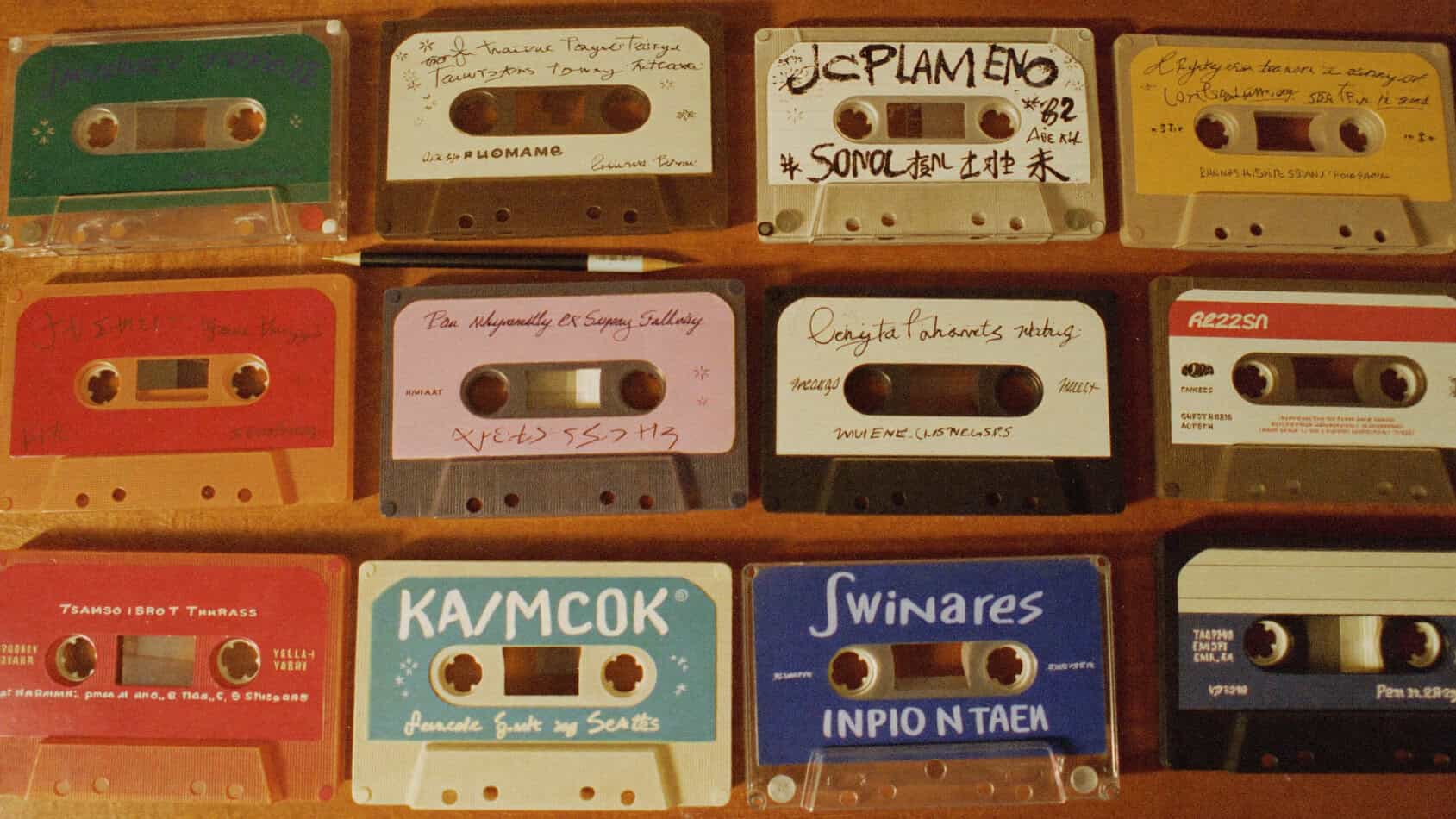
And then there was the cover. The J-card, that folded paper insert that slid into the cassette case. You wrote out every song title, sometimes with little drawings or doodles in the margins. If you were really committed, you’d cut out magazine photos and make a collage. The packaging was half the message.
What a Mixtape Really Said
Nobody made a mixtape for themselves. You made them for other people. And the person who received one understood that something significant had just happened.
A mixtape from a crush meant they’d been thinking about you for hours. That they’d sat in their room, picking each song, deciding what it meant, deciding whether to include it or pull it. Every track was a deliberate choice. The mixtape was the message.
There were also friendship mixtapes, the kind you made for your best friend when they moved away, or when you wanted to introduce them to a band you were obsessed with. These were less emotionally loaded but still careful. You wanted them to love the music. You wanted to share something real.
And then there were the heartbreak tapes. The ones you made after a breakup, full of every sad song that felt exactly right. These were mostly for yourself. Therapeutic. Painful in a satisfying way that only made sense at 15.
The Radio Recording Ritual
Before CDs. Before you could rip tracks off a disc. Before digital anything, the primary way to get music onto a tape was to record it off the radio.
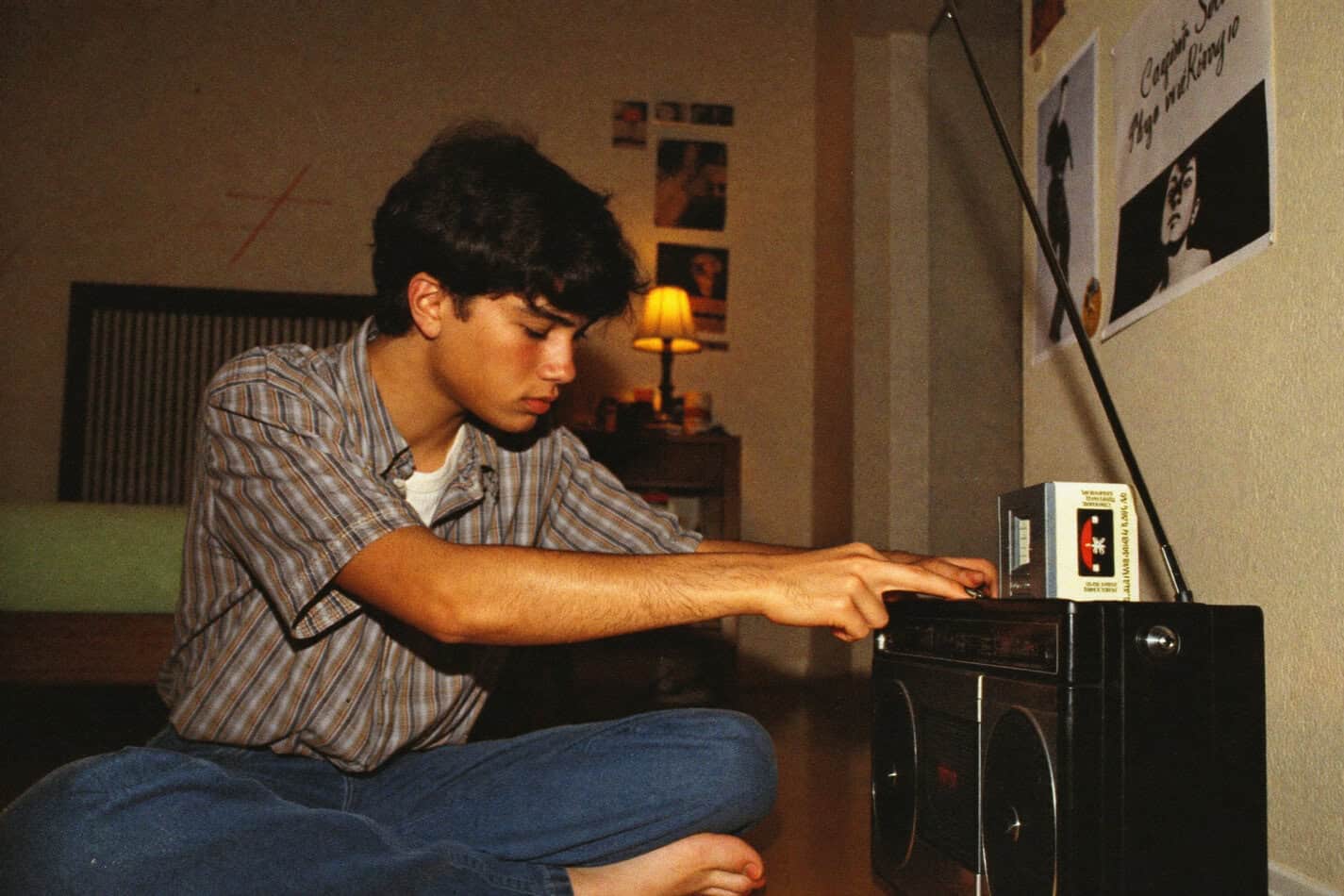
This meant planning. You read the week’s Top 40 charts. You knew which station played which songs and roughly when. You set up your boombox next to the radio, hit record, and waited. Sometimes you’d wait an entire afternoon for one song.
The cardinal sins of radio recording: the DJ talking over the intro, a commercial cutting in at the worst possible moment, or your little brother walking in and slamming the door while you were mid-record. These things could ruin your whole day.
When you finally got a clean recording, the song, all the way through, no interruptions, it felt like a genuine victory. You’d gotten what you came for. The tape was one track closer to done.
The Cassette Tape Itself
Not all tapes were equal. Serious mixtape makers had opinions about this.
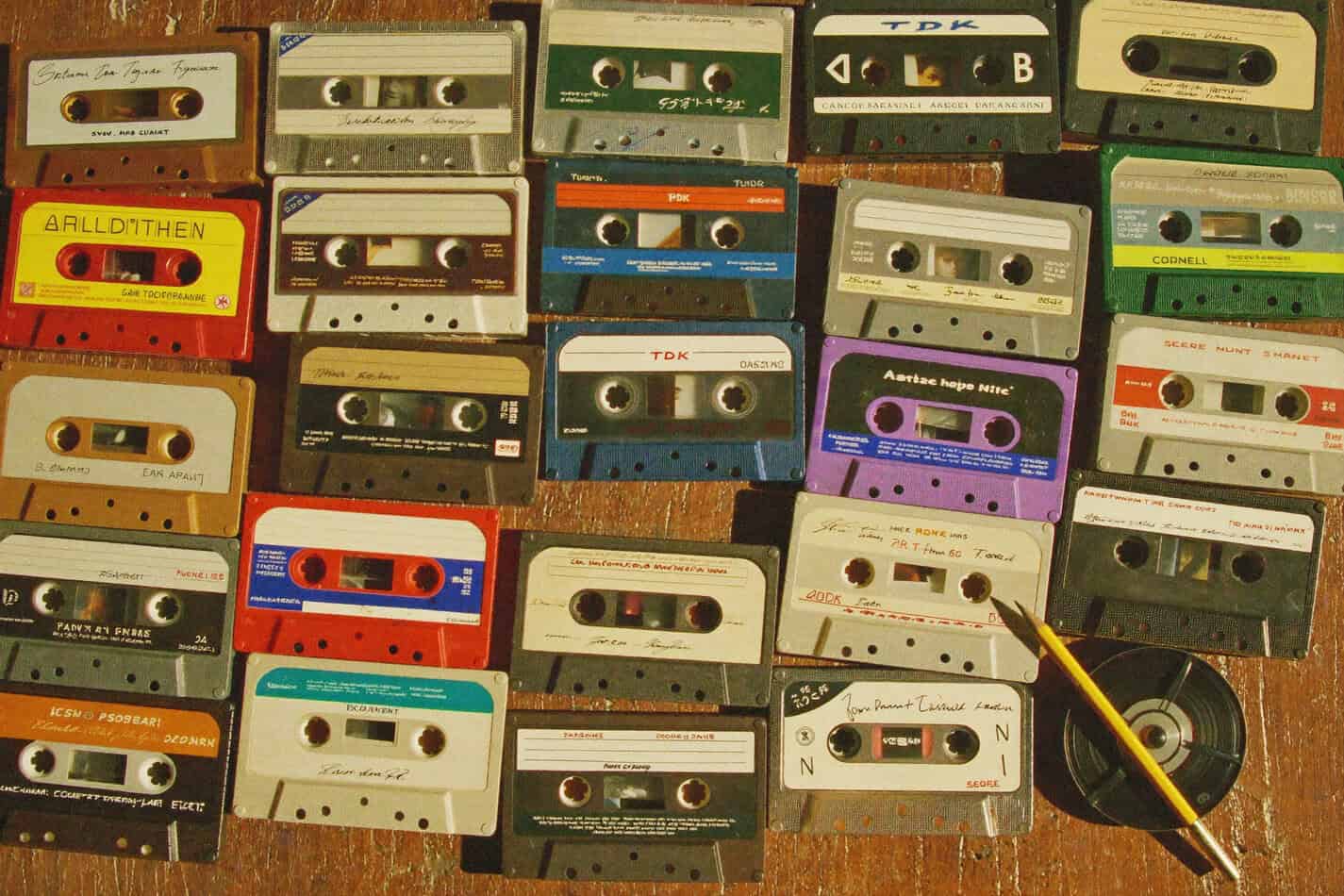
TDK and Maxell were the gold standards. Their tapes had better magnetic coating, which meant better sound quality and less hiss. You could hear the difference, especially on quieter songs. Buying the cheap generic tapes was technically fine but felt like showing up to prom in sweatpants.
The 90-minute tape was the classic mixtape format, 45 minutes per side, enough room for about 10 to 12 songs each. Some people used 60-minute tapes for shorter, more focused compilations. The 120-minute tape existed but was considered a bit excessive, like you were trying too hard.
Then there was the pencil trick, when a tape got tangled or the reel started to drag, you stuck a pencil into one of the spools and wound it manually. Every 80s kid knew this move. It was survival.
Mixtapes in Pop Culture
The mixtape became so embedded in 80s and 90s culture that it showed up everywhere. John Cusack held up a boombox in Say Anything, a scene that only worked because everybody understood what playing someone a song meant. High Fidelity had an entire monologue about the philosophy of making a great mixtape. Guardians of the Galaxy made the Awesome Mix Vol. 1 the emotional center of the whole franchise.
The mixtape became shorthand for care. For effort. For “I was thinking about you and I spent time on this.” That’s a language everyone spoke.
The Mixtape vs. The Playlist
People say playlists are the modern mixtape. They’re not wrong, exactly, but something got lost in the translation.
Making a playlist takes minutes. You search, you click, you share. The friction is gone. And the friction was part of the point. When someone made you a mixtape, you knew it had taken them hours. That time was built into the object itself. The tape was evidence of the effort.
A shared Spotify playlist is a kind gesture. A mixtape was a declaration. The medium was part of the message.
That said, if someone sends you a playlist now and the sequencing is thoughtful and the first song is perfect and the last song leaves you sitting quietly for a minute after it ends, they’re making you a mixtape. The format changed. The feeling didn’t.
Frequently Asked Questions About Mixtapes
What is a mixtape?
A mixtape is a personal compilation of songs recorded onto a cassette tape, curated and arranged by the person making it. Popular from the late 1970s through the 1990s, mixtapes were often given as gifts to friends or romantic interests.
How long was a typical mixtape?
Most mixtapes used 90-minute cassettes, giving 45 minutes per side, typically 10 to 12 songs each. This forced real curation decisions about what made the cut.
How did you make a mixtape in the 80s?
You recorded songs either off the radio (by hitting record when your song came on) or from vinyl records or other cassettes using a dual-cassette boombox. Then you wrote out the track listing on the J-card insert by hand.
Are mixtapes making a comeback?
Yes, cassette tape sales have been growing steadily since the early 2010s, driven by nostalgia and the collector market. Some artists still release music on cassette. You can buy blank tapes and dual-cassette recorders online if you want to make the real thing.
What’s the difference between a mixtape and an album?
An album is a collection of original songs by one artist. A mixtape is a personal compilation of existing songs chosen by whoever is making it, the art is in the curation and sequencing, not the songwriting.
Want More 80s Nostalgia Like This?
Join our free newsletter and get weekly deep-dives into the toys, fashion, music, and pop culture that made growing up in the 80s unforgettable.
Save This for Later on Pinterest
Pin this for your fellow cassette tape lovers, they’ll thank you for it.
Relive the Cassette Era
Want to make a real mixtape? Here’s where to find the gear, blank cassettes, dual-cassette players, and vintage boomboxes.