The 1980 Cable Box: The Chunky Little Gadget That Changed TV Forever
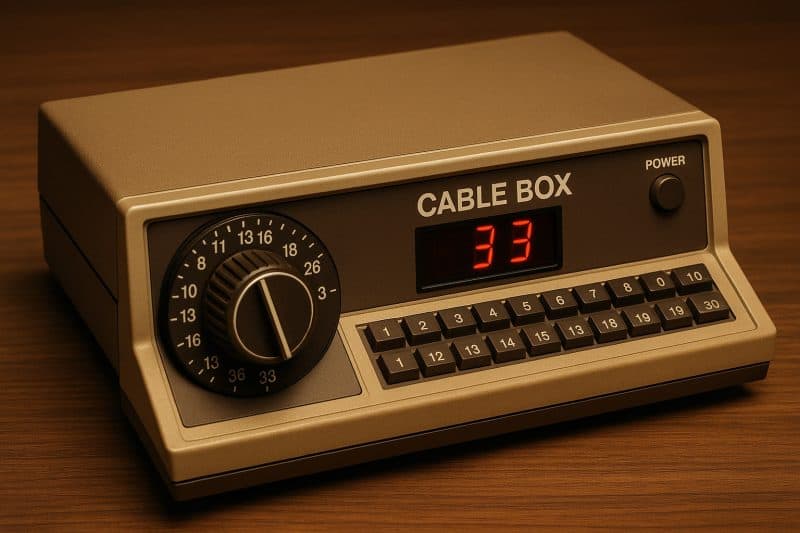
If you grew up in the 80s, there was one object that lived permanently on top of the television: that iconic cable box. The buttons were chunky, the dial clicked loudly, the red digital numbers glowed like high-tech magic, and switching channels felt like unlocking a secret world.
Before streaming, smart TVs, and endless on-demand options, the cable box was the ultimate upgrade. It transformed a basic TV set into something that finally felt modern. Saturday mornings had better cartoons, movie nights had more choices, and for the first time, families could watch exactly what they wanted instead of whatever happened to be on.
This little box didn’t just expand channel options. It changed how we watched TV forever.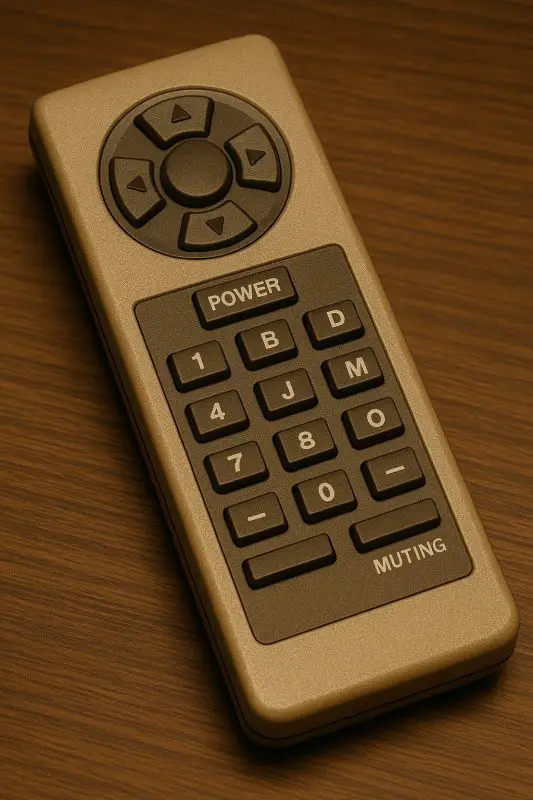
How Cable TV Exploded Into the 1980s
Cable television technically started decades earlier, but it was the early 1980s when cable truly took off. More households wanted clearer reception, more variety, and access to programs that weren’t available on local broadcast stations.
By the mid-80s, cable became a standard part of American living rooms. Families suddenly had:
• Specialty channels
• 24-hour content
• Better picture quality
• Entire networks dedicated to news, sports, movies, or kids
Going from three major channels to dozens felt like stepping into the future.
Why the 1980 Cable Box Felt So Advanced
When the 1980 cable box arrived, it instantly made TV feel more exciting. It plugged into the television, decoded the cable company’s signal, and delivered a clearer, more reliable picture without relying on antenna placement.
People noticed the difference immediately. No more fuzzy images. No more twisting rabbit ears to catch the weather report. No more static cutting into a movie.
And then there was the design:
• The smooth clicking dial
• The blocky, satisfying push buttons
• The bright red digital channel numbers
• The early remote controls that felt like magic wands
Just being able to flip channels from the couch made the box feel futuristic.
The Technology Inside the Box
For a device that looked simple, the cable box was surprisingly advanced. It acted as the middleman between the cable provider and your TV. Inside was a tuner, a signal amplifier, and the circuitry that allowed the box to pick up channels your television couldn’t access alone.
Many models included features that felt cutting-edge at the time:
• LED displays
• Slider bars to jump channels
• Numeric push-button panels
• Remote controls that finally ended the “get up and change the channel” era
This was the moment home entertainment started becoming interactive.
How the Cable Box Transformed Viewing Habits
The arrival of the cable box changed not only what we watched, but how we watched.
Families began planning evenings around cable movies and weekly specials. Kids watched cartoons outside of Saturday mornings. Sports fans had entire channels to themselves. News junkies discovered 24-hour coverage. Teens spent hours with MTV and music videos.
It wasn’t just a device. It created a new TV culture.
More channels meant more options, and more options meant television suddenly felt personal. You could finally choose programming that matched your interests instead of sticking with whatever your antenna could manage.
The Beginning of Premium Channels
The 1980 cable box also unlocked something brand new: premium channels.
HBO, Showtime, The Movie Channel, ESPN, Nickelodeon, and MTV all of these networks grew rapidly thanks to cable. The popularity of these channels forced television to evolve. That evolution eventually led to digital cable, DVRs, on-demand, and the streaming platforms we use today.
The cable box was the first domino in a long line of entertainment upgrades.
Frequently Asked Questions
Why did people need a cable box in the 80s?
Televisions couldn’t decode cable signals on their own, so the box acted as the decoder and tuner.
How many channels did 1980 cable boxes usually offer?
Most ranged from 20 to 36 channels, which felt like a massive lineup at the time.
Did they come with remote controls?
Many did. Early remotes were wired or bulky, but they were still revolutionary for the era.
Was the picture quality really better than antenna TV?
Yes. Cable delivered a clearer, more stable picture without weather interference.
Did families buy or rent these boxes?
Most were rented directly from the cable provider, similar to how digital boxes are rented today.
What eventually replaced the early cable boxes?
Digital cable and set-top boxes in the 1990s and early 2000s.
Are vintage cable boxes collectible today?
Some models absolutely are. Jerrold, Zenith, Scientific-Atlanta, and other early boxes attract retro tech collectors.