Affordable 1980s Cars People Still Remember
2026 reader update
Quick answer: Affordable 1980s Cars People Still Remember
If you grew up around 1980s cars, you remember the shapes before you remember the specs. Boxy sedans, tiny hatchbacks, and budget coupes gave regular people a way into the decade.
Why this belongs on 80s Baby
This topic fits the 80s cars lane because readers are not only looking for facts. They are usually trying to remember how the decade felt, what changed, and which details still matter now.
Budget cars people actually drove
This section helps connect 1980s cheap cars to the broader 80s and 90s memory instead of leaving it as a disconnected fact.
What made 80s cars feel different
This section helps connect 1980s cheap cars to the broader 80s and 90s memory instead of leaving it as a disconnected fact.
What to check before buying one now
For readers comparing old and new options, the useful details are condition, price, design, reliability, and whether the nostalgia still holds up in real life.
Keep reading on 80s Baby
FAQ
What is the main thing to know about 1980s cheap cars?
The main thing to know is that 1980s cheap cars works best when it is explained with both history and real-life context, not just a quick definition.
Why do people still search for this?
People search for it because nostalgia is practical. They want names, examples, memories, prices, styles, and context that help them connect the past to what they see today.
Where should I go next?
Start with the related links above, then use the 80s party, fashion, music, food, and nostalgia guides to keep moving through the decade by topic.
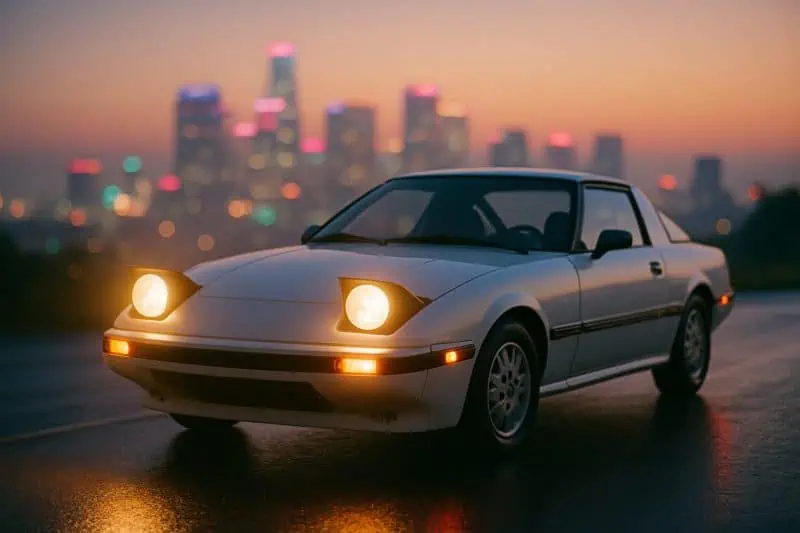
Let’s set the scene. It’s 1986. You’re cruising your block in a car that looks like it belongs on the set of Knight Rider. The headlights flip up like they’ve got something to prove, the digital dash is glowing like a spaceship console, and your cassette deck is bumpin’ the Top Gun soundtrack. Welcome to peak 80s car culture.
Back then, our dream cars were poster-worthy icons, whether they belonged to Ferris Bueller, Michael Knight, or Marty McFly. And while today’s reality might include a mortgage and school drop-offs, that doesn’t mean the dream is dead.
Why Trust This List? This isn’t a list of the fastest 0-60 times or the most expensive auction cars. This is a guide to 80s cars with charactera fun driving experienceand a realistic path to ownership. We value personality over pure power and real-world budgets over fantasy.
The Japanese Icons
These are the legends that launched a global tuning phenomenon.
Mazda RX-7 (First & Second Gen)
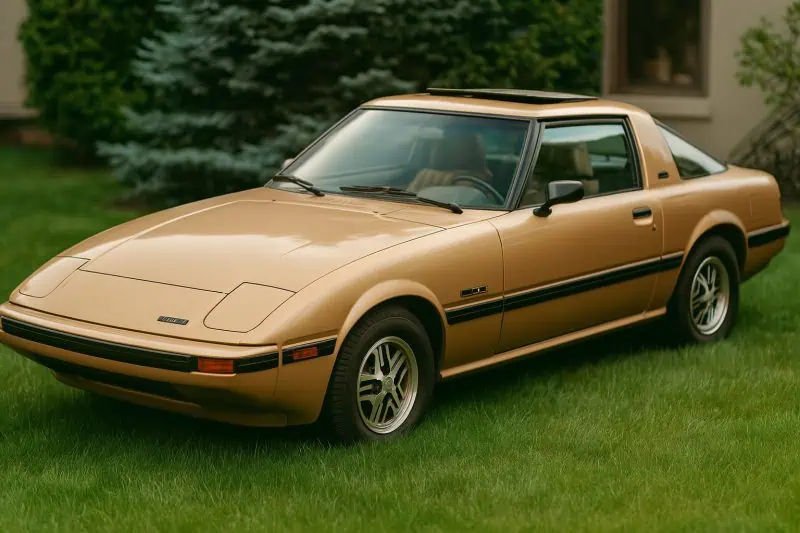
The Vibe: A high-revving, rotary-powered spaceship for the street.
Why It Was Cool Then: The RX-7 was sleek, futuristic, and powered by a unique Wankel rotary engine that made it sound like nothing else on the road.
Why It’s Cool Now: The 80s wedge shape has aged beautifully, the rotary engine makes it a fascinating piece of engineering, and you’ll stand out at any car meet.
What to Look For: Neglected rotary engines can be problematic. Find one with good service records from a knowledgeable owner.
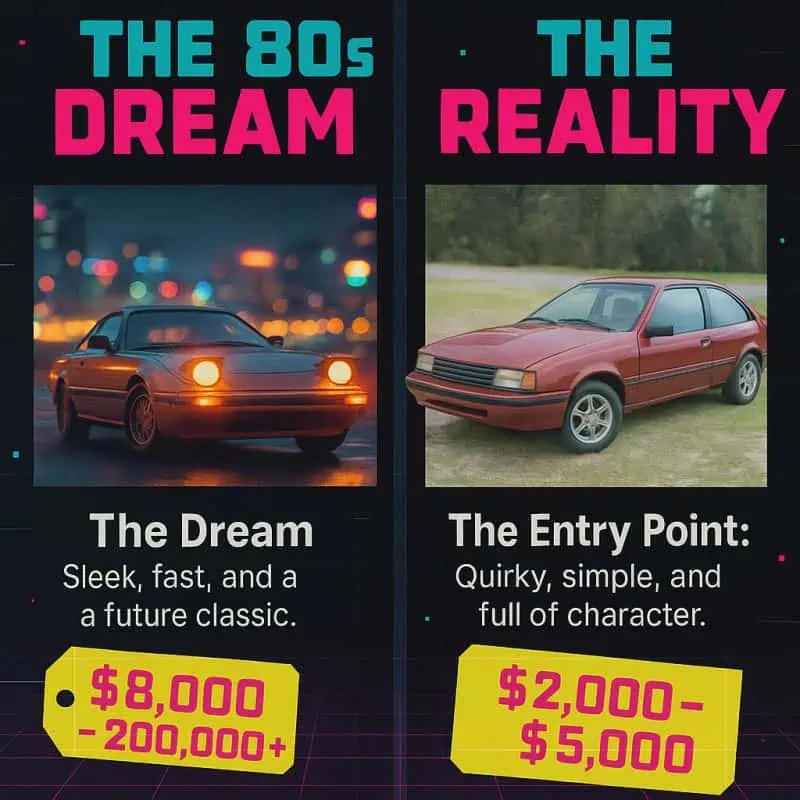
Realistic Price Today: $8,000 – $20,000+
Toyota Corolla AE86
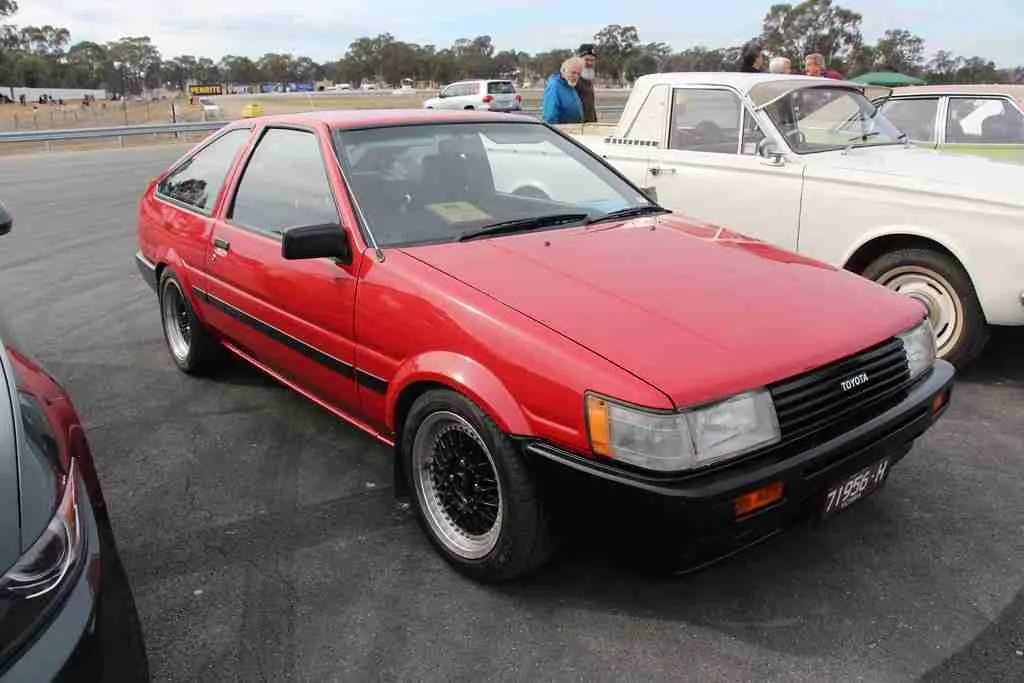
The Vibe: Lightweight, rear-wheel-drive fun with anime-level street cred.
Why It Was Cool Then: It was an affordable, tossable, and reliable car for boy racers and aspiring drifting legends.
Why It’s Cool Now: Its starring role in the anime Initial D turned it into a global cult icon. It’s one of the most celebrated and sought-after Japanese classics.
What to Look For: Rust is a major issue. Unmodified, clean examples are extremely rare and expensive.
Realistic Price Today: $12,000 – $25,000+
The Humble Hatchbacks (The True Budget Buys)
These are the quirky, affordable heroes that got a generation on the road.
Volkswagen Rabbit GTI (Mk1)
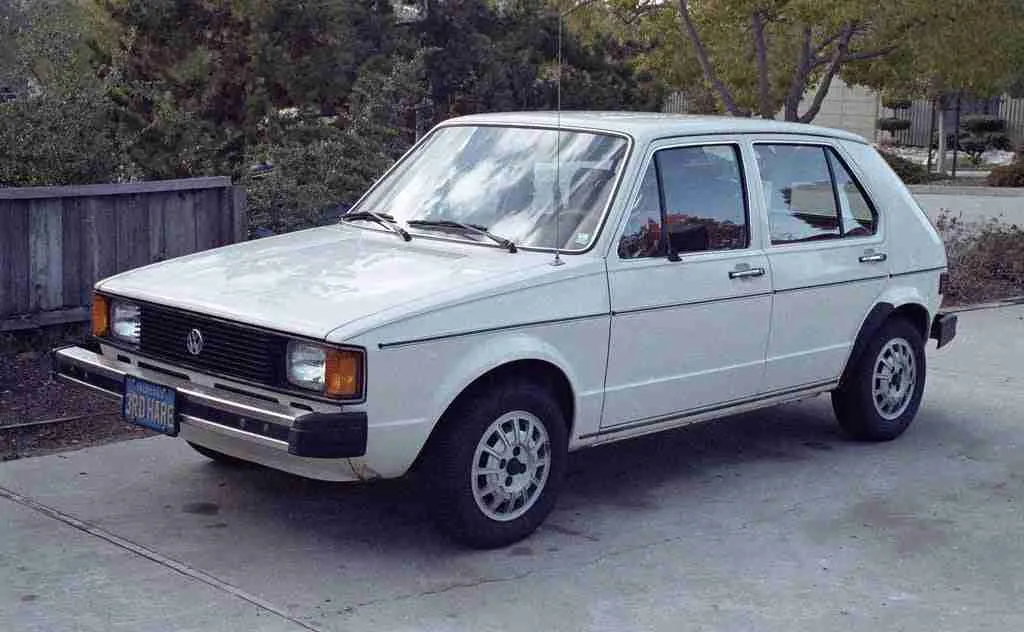
The Vibe: European charm on a thrift-store budget.
Why It Was Cool Then: It was one of the original “hot hatchbacks,” zippy, practical, and full of personality. It was like a puppy on wheels.
Why It’s Cool Now: It’s incredibly lightweight, easy to work on, and has a massive enthusiast community. Perfect for vintage car meets.
What to Look For: Rust in the floor pans and around the windows, plus potential electrical gremlins.
Realistic Price Today: $4,000 – $9,000
Chevrolet Chevette
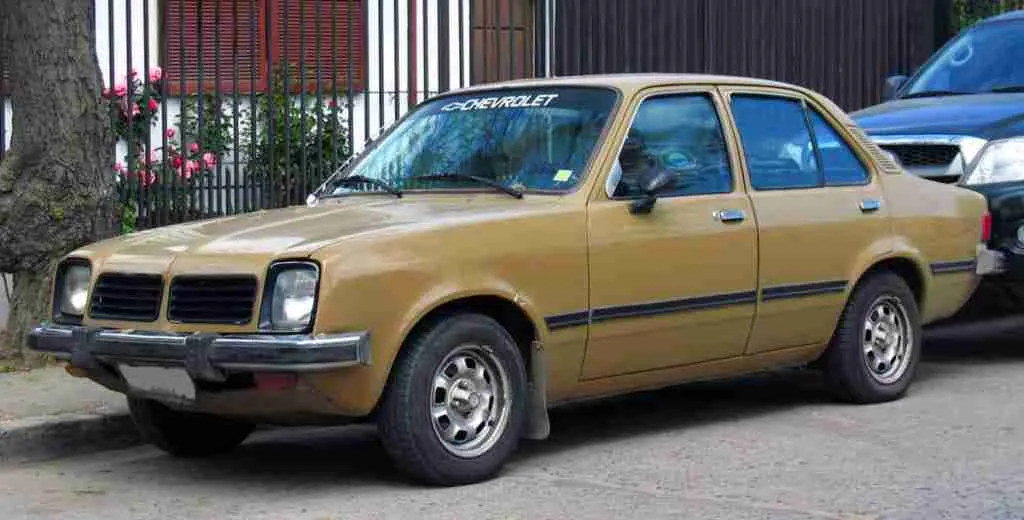
The Vibe: The charming underdog that was absolutely everywhere.
Why It Was Cool Then: Honestly, its main feature was being incredibly cheap and simple. It was the definition of basic transportation.
Why It’s Cool Now: Its simplicity is its strength. It’s ironically charming, surprisingly durable, and a fun, easy entry into classic car ownership.
What to Look For: A service history. That’s pretty much the whole list. If it runs and doesn’t have major rust, you’re golden.
Realistic Price Today: $2,000 – $5,000
Dodge Omni GLH
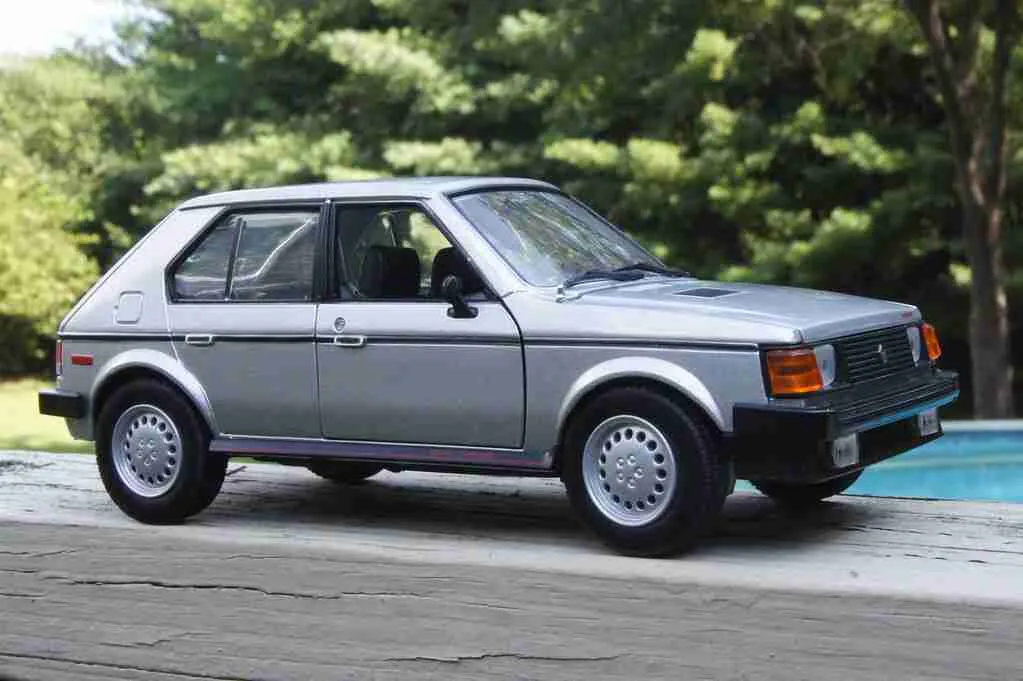
The Vibe: Your uncle’s economy car… on Red Bull.
Why It Was Cool Then: The legendary Carroll Shelby turned this humble hatchback into a turbocharged terror that could surprise sports cars. The “GLH” stood for “Goes Like Hell.”
Why It’s Cool Now: It’s the ultimate sleeper. No one expects this little box to be so fast, giving it legitimate performance credibility.
What to Look For: These were often driven hard. Check for turbo system issues and a solid maintenance history.
Realistic Price Today: $6,000 – $12,000
The Rugged Off-Roaders
For those who preferred trails to tarmac.
Suzuki Samurai
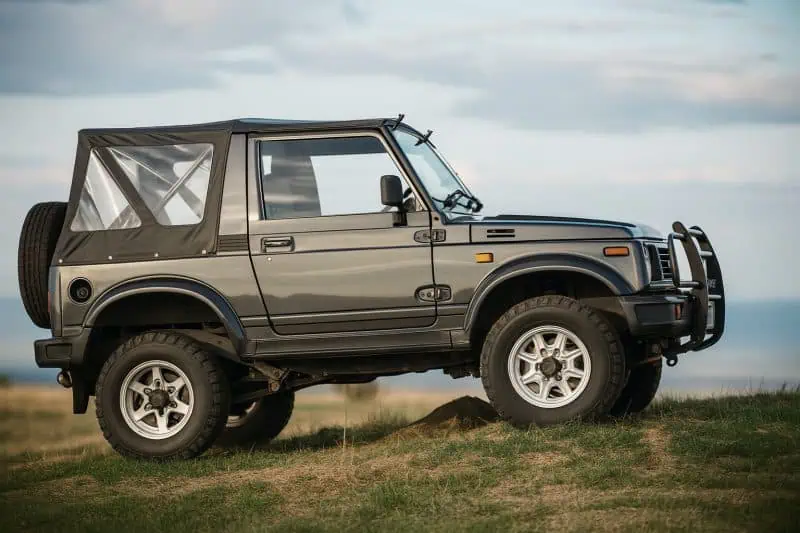
The Vibe: The little mountain goat that could go anywhere.
Why It Was Cool Then: It was a tiny, capable, and simple 4×4 that was incredibly fun to modify.
Why It’s Cool Now: The urban 4×4 and “overlanding” crowds love these for their quirky looks, trail-conquering abilities, and simple mechanics.
What to Look For: Frame rust is the biggest enemy. Also, be wary of sketchy, home-done lift kits.
Realistic Price Today: $5,000 – $10,000
Toyota MasterAce Surf (Van)
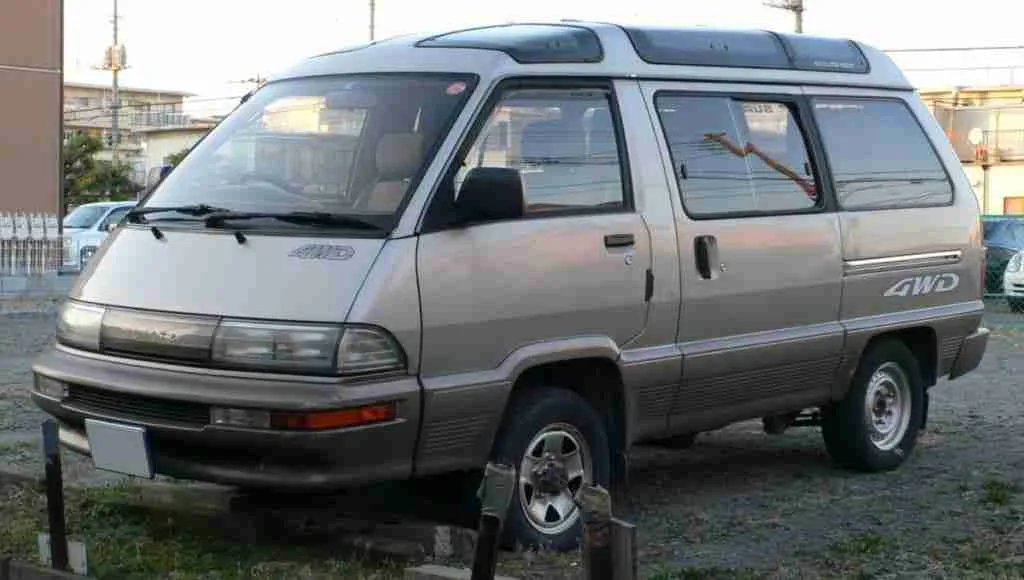
The Vibe: The weirdest, most lovable road-trip box ever built.
Why It Was Cool Then: Its forward-thinking van design, optional 4WD, and spaceship-like interior made it the ultimate adventure vehicle.
Why It’s Cool Now: It’s a JDM (Japanese Domestic Market) import with tons of character, sliding doors, and pure 80s sci-fi vibes. Perfect for the #vanlife enthusiast who wants something unique.
What to Look For: Overheating issues on some models and parts availability, as these were not originally sold in the US.
Realistic Price Today: $9,000 – $15,000
The Forgotten Coupes
For those who want to stand out from the crowd.
Mitsubishi Cordia
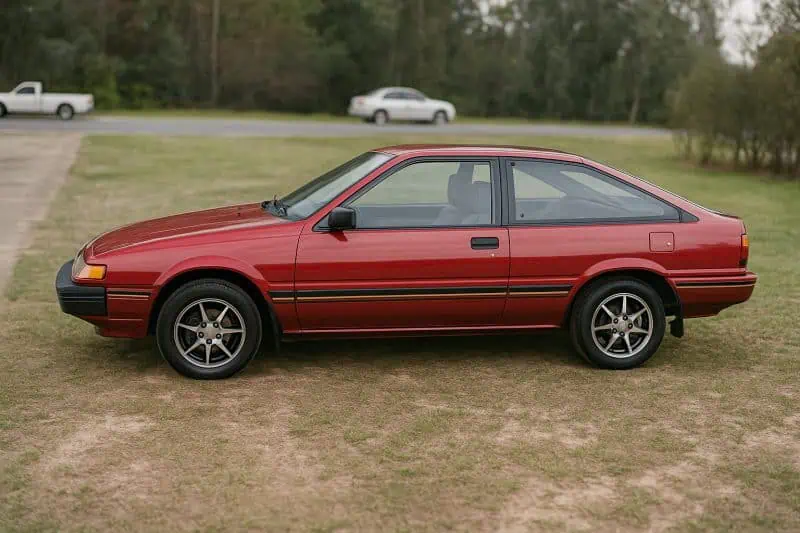
The Vibe: The offbeat, interesting choice that ends up being your favorite.
Why It Was Cool Then: It offered turbocharging and front-wheel-drive performance in a unique, angular package. It was weird in the best possible way.
Why It’s Cool Now: It’s rare enough to be a guaranteed conversation starter. It’s lightweight, fun to modify, and a true standout from the usual suspects.
What to Look For: Check the turbo system for wear and tear, and inspect the interior plastics, which can become brittle with age.
Realistic Price Today: $3,000 – $7,000
The Spirit of the 80s is Still on the Road
Sure, you might not grab your dream 80s car for a few thousand dollars anymore, but the magic isn’t in the price tag. It’s in the sound of a buzzy engine, the sight of a pop-up headlight flipping up to say hello, and the feeling you get when a stranger gives you a thumbs-up at a red light.
Owning an 80s car today is about connection, character, and keeping the analog soul alive in a digital world. So pick your vibe, do your homework, and go find your time machine on wheels.