Hoverboards to AI Surprising 80s Sci-Fi Predictions Hits & Misses
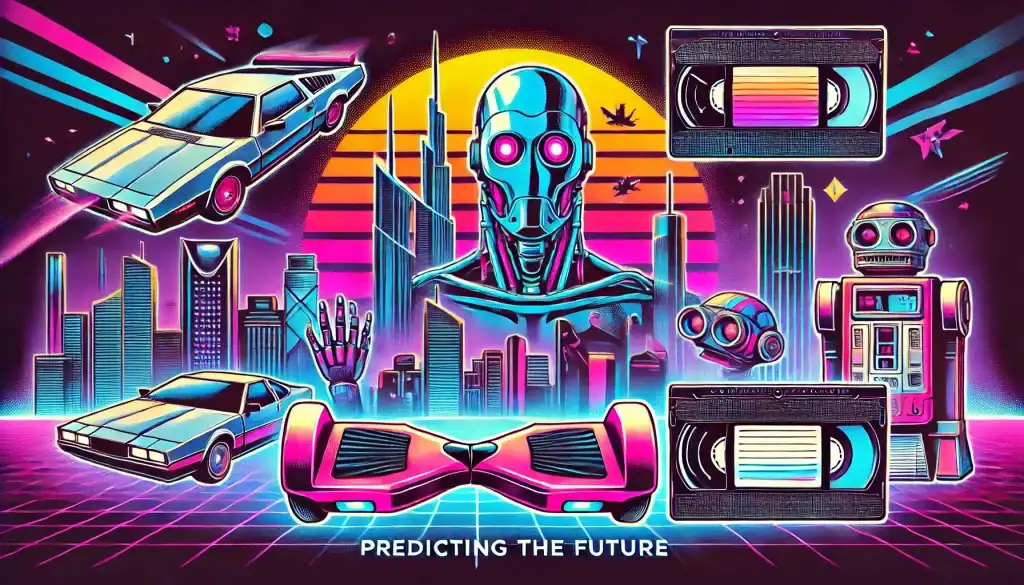
Sci-fi movies weren’t just simple entertainment but windows into a thrilling, sometimes terrifying, future vision. From AI taking over the world to hoverboards cruising through the air, 80s filmmakers dared to dream big.
But how much of what they predicted came true? Buckle up as we explore the hits and misses of 80s sci-fi, revealing the surprisingly accurate visions and the far-fetched fantasies that made us laugh, wonder, and sometimes gasp.
The Hits: Predictions That Came True
Artificial Intelligence
Movies like Blade Runner and The Terminator introduced us to the concept of artificial intelligence machines that could think, learn, and even pose a threat to humanity. While we’re thankfully not battling Skynet just yet, AI has become an integral part of our daily lives. From virtual assistants like Alexa and Siri to advanced robotics from companies like Boston Dynamics, the groundwork laid by these 80s movies can be seen everywhere today.
It’s amazing how sci-fi filmmakers envisioned a world where machines would assist and sometimes challenge humanity. Now, we have self-driving cars, recommendation algorithms, and robots that help us around the house. Though we’re not quite at Skynet levels yet, their imagined future is closer than ever.
Virtual Reality
Tron was revolutionary in 1982, taking audiences into a fully immersive digital world—a concept that was pure fantasy at the time. Using groundbreaking computer-generated imagery (CGI), Tron introduced the idea of being “digitized” and existing inside a computer system. Fast-forward to today, virtual reality is a part of mainstream technology. With headsets like Oculus Rift and PlayStation VR, we’re living out the dreams of ’80s gamers who want to experience new worlds immersively.
In The Lawnmower Man, the idea of using VR for everything from entertainment to training was another glimpse of what would come. VR is used for gaming, medicine, education, and virtual meetings, showing how far we’ve come since those early depictions.
Video Calling
Back to the Future Part II gave us a glimpse of video calling in 1989, an idea that seemed far-fetched. Today, Zoom, FaceTime, and other video platforms have become a staple in personal and professional settings. Marty McFly’s futuristic video call scenes feel more like a typical day in 2024 as we continue to rely on these technologies for connecting across the world.
The Predictions We’re Still Waiting For
Flying Cars
Back to the Future Part II and The Fifth Element envisioned a future with flying cars zooming above our heads, freeing us from traffic jams below. While companies like Terrafugia and AeroMobil are making progress in developing flying vehicles, we’re still far from seeing flying cars as part of everyday life. Instead, most of us are still stuck in traffic, waiting for that promised flying DeLorean to whisk us away.
The dream of soaring above the city may be closer than in the 80s, but it still has a long way to go. Until then, we’ll have to keep hoping for less congested roads and a better commuting future.
Weather Control
In Blade Runner, Ridley Scott’s vision of 2019 Los Angeles involved constant rain and a dreary atmosphere. While we can’t control the weather, we have seen some eerie similarities with climate unpredictability and changing weather patterns in recent years. However, true weather control remains the stuff of sci-fi—for now, at least.
Why 80s Sci-Fi Got Some Predictions Right
Many 1980s sci-fi movies got their predictions right because they influenced the next generation of scientists, engineers, and technologists. These films didn’t just entertain; they inspired. Visionary directors like James Cameron and Ridley Scott offered glimpses into possible futures, motivating people to turn fiction into reality.
Blade Runner, for instance, inspired advances in robotics and urban design with its portrayal of replicants and futuristic cityscapes. Many current tech developers cite sci-fi as the reason they pursue careers in technology. The creativity and imagination in these movies provided a blueprint for what could be, and real-world innovators took it from there.
Pop Culture Legacy
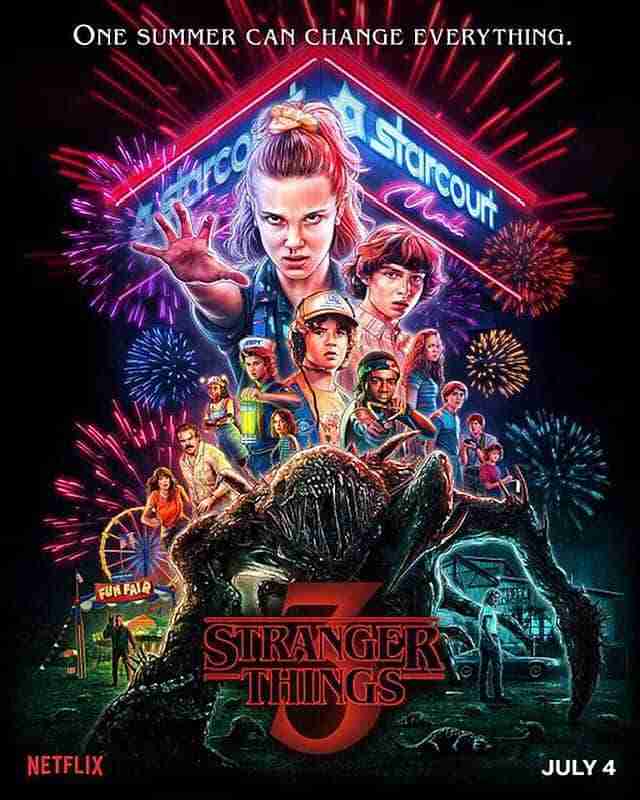
The influence of 80s sci-fi didn’t end with the technology. The spirit of these movies lives on in modern pop culture, inspiring shows like Stranger Things and movies like Ready Player One. These modern media productions draw heavily on the visuals, themes, and nostalgia of the 80s, paying homage to the decade that defined a generation of dreamers.
Stranger Things, for instance, incorporates the visual aesthetics of 80s sci-fi, from the clothing to the eerie atmosphere that evokes classic films like E.T. and The Thing. The love for this retro era shows that the influence of ’80s sci-fi is still alive and thriving in today’s entertainment.
Lessons from the 80s: Hope and Caution
The beauty of 1980s sci-fi lies in its balance of hope and caution. Every utopian vision also had a dystopian warning—a reminder that technological advancement comes with opportunity and risk. Movies like The Terminator showed us both the wonders and dangers of AI, making us question our relationship with technology.
These films provided a dual perspective: technology could either liberate us or lead to our downfall. It’s a lesson that resonates today as we navigate the complexities of AI, climate change, and our rapidly evolving digital landscape. What other 80s predictions are yet to come true? Only time will tell.
The 80s Were Just the Beginning.
The 1980s were a time of bold predictions and imaginative visions, and while some of these have come true, others remain elusive. Regardless, the creativity of 80s sci-fi has left a lasting impact that continues to shape our culture and technological progress.
So, whether it’s flying cars, AI assistants, or the dream of hoverboards, the 80s showed us that the future is what we make of it. Explore more of our 80s nostalgia content, and tell us which predictions you wish had come true. The future is still out there, so let’s make it extraordinary.