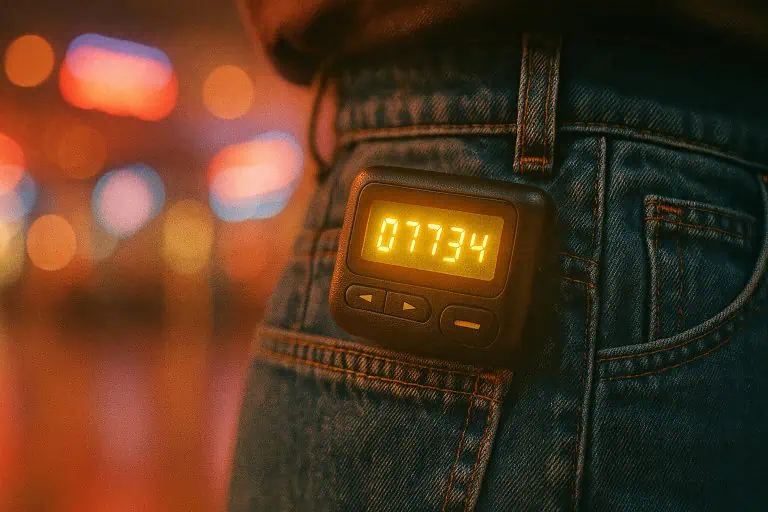
The Evolution of Cell Phones: From Brick to Smart Phone
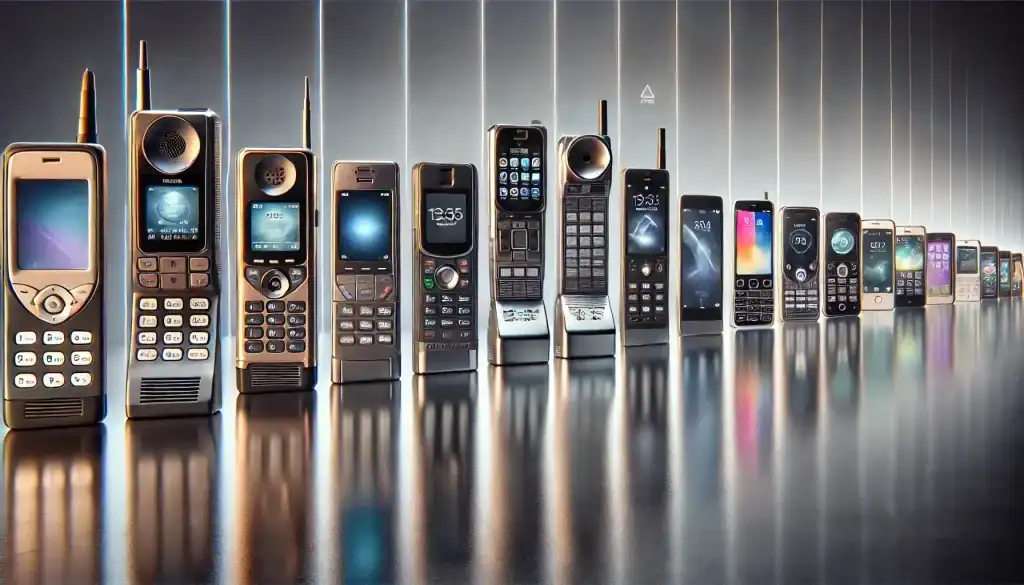
Remember the days when making a call meant being stuck to a wall? The cell phone journey from bulky bricks to sleek smartphones is more than just a technology story; it’s a revolution that changed how we connect, work, and live.
The First Cell Phone: A Mobile Revolution Begins
The device you’re probably reading this on started with one man’s vision to free people from the constraints of landlines. In 1973, Dr. Martin Cooper and his team at Motorola achieved something extraordinary; they created the first handheld cellular phone. Unlike anything before it, this innovation used cellular radio technology, dividing coverage areas into small “cells” to provide better reception than existing radio technologies.
When the DynaTAC 800X finally reached consumers in 1983, it was groundbreaking despite what we’d consider serious limitations today:
- Weighed nearly 2 pounds (imagine carrying that in your pocket!)
- Offered 30 minutes of talk time
- Required 10 hours to charge
- Cost $3,995 (a small fortune at the time)
The Birth of the Smartphone: When Phones Got Smart
Ever wonder why we call them “smartphones”? It’s simple these devices earned their name by being intelligent enough to do more than just make calls and send texts. The real game-changer came in 1992 with the Simon Personal Communicator, the world’s first smartphone. While basic by today’s standards, it combined the functions of a cell phone with a personal digital assistant (PDA).
The Smartphone Evolution Timeline
Think of it like this: if the DynaTAC was elementary school, the Simon was middle school, and the Palm Pilot of 1996 was high school – making devices more accessible and practical for everyday use. The Palm Pilot brought us features we now take for granted:
- Contact storage
- Calendar management
- Basic gaming capabilities
- More affordable pricing
The Modern Smartphone Era
Everything changed in 2007 when Apple introduced the iPhone. This wasn’t just another phone it was a pocket computer that could actually replace many functions of a laptop. The following year, Google’s Android system arrived, creating the competitive environment that drives the incredible innovation we see today.
What Makes Today’s Smartphones “Smart”?
Modern smartphones have evolved to become:
- Personal assistants that anticipate our needs
- Professional-quality cameras
- Entertainment centers
- Work tools
- Social connection hubs
- Internet browsers
- Navigation systems
Looking Forward While Remembering Our Roots
From Dr. Cooper’s first call to today’s sophisticated devices, each step in mobile phone evolution has brought us closer together and made our lives easier. Whether you remember the excitement of playing Snake on your Nokia or grew up with touchscreens, we’re all part of this incredible journey.
The Next Chapter
As technology continues to advance, one thing remains clear, the basic human desire to connect and communicate drives every innovation. Today’s smartphones are more than just technical achievements – they’re the result of decades of working to make communication more natural, accessible, and intuitive.
What was your first cell phone?
Whether it was a flip phone that made you feel like a Star Trek character or a smartphone that opened up a world of possibilities, each device has its own story in the greater history of mobile communication.
List of all the mobile phones and release dates
1973: the first cell phone is created by Dr. Martin Cooper the first mobile phone call was made with this phone. (ebay.com)
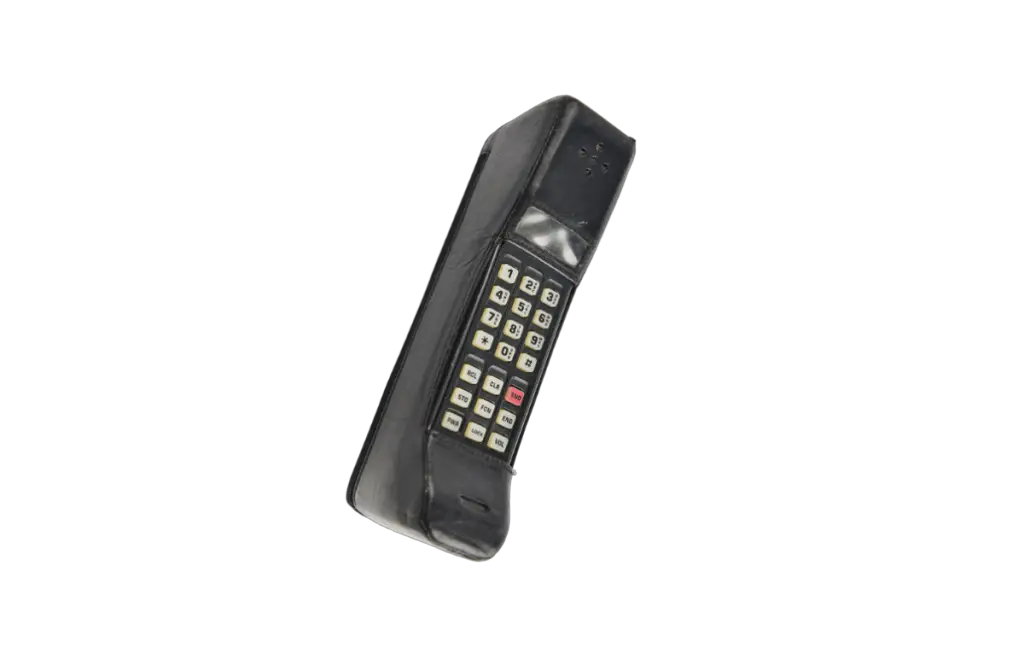
1983: DynaTAC 800X(ebay.com)
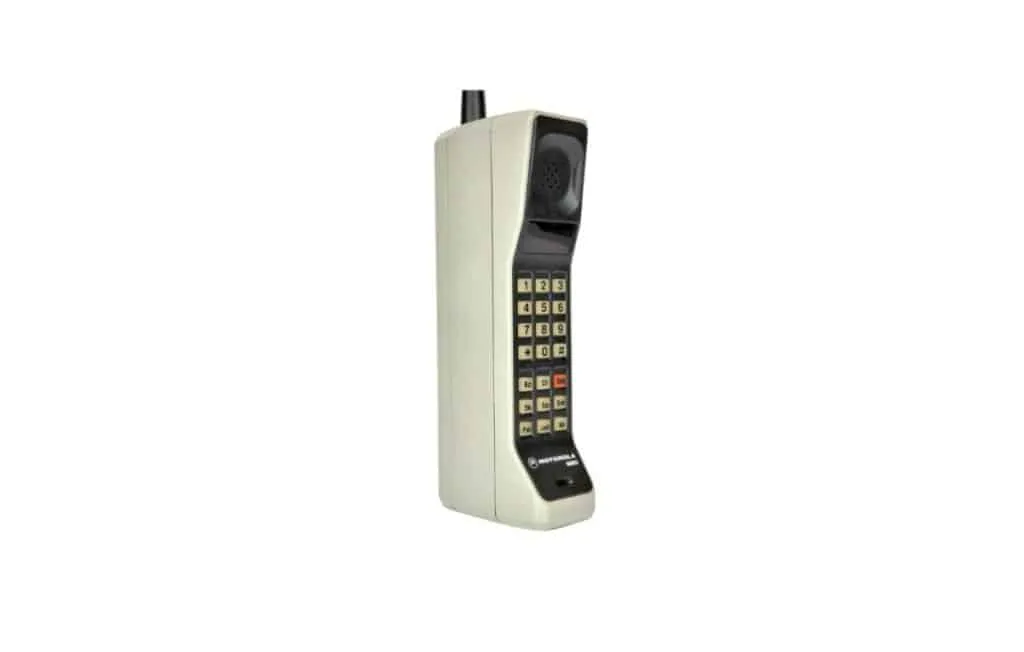
1992:Nokia 1011 was one of the first phones with text messaging (SMS message) (ebay.com)
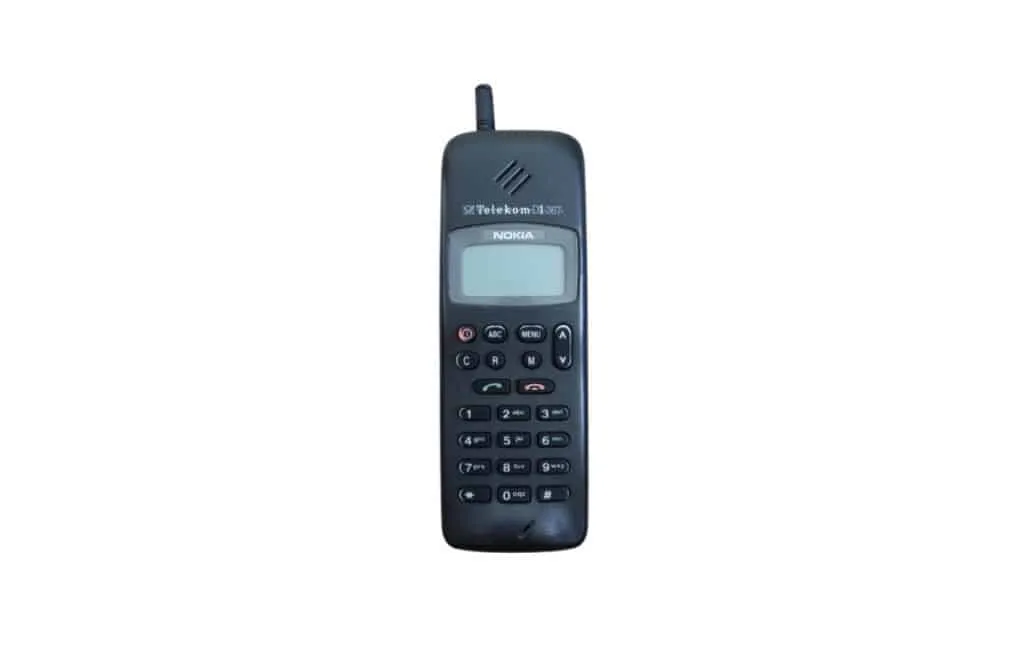
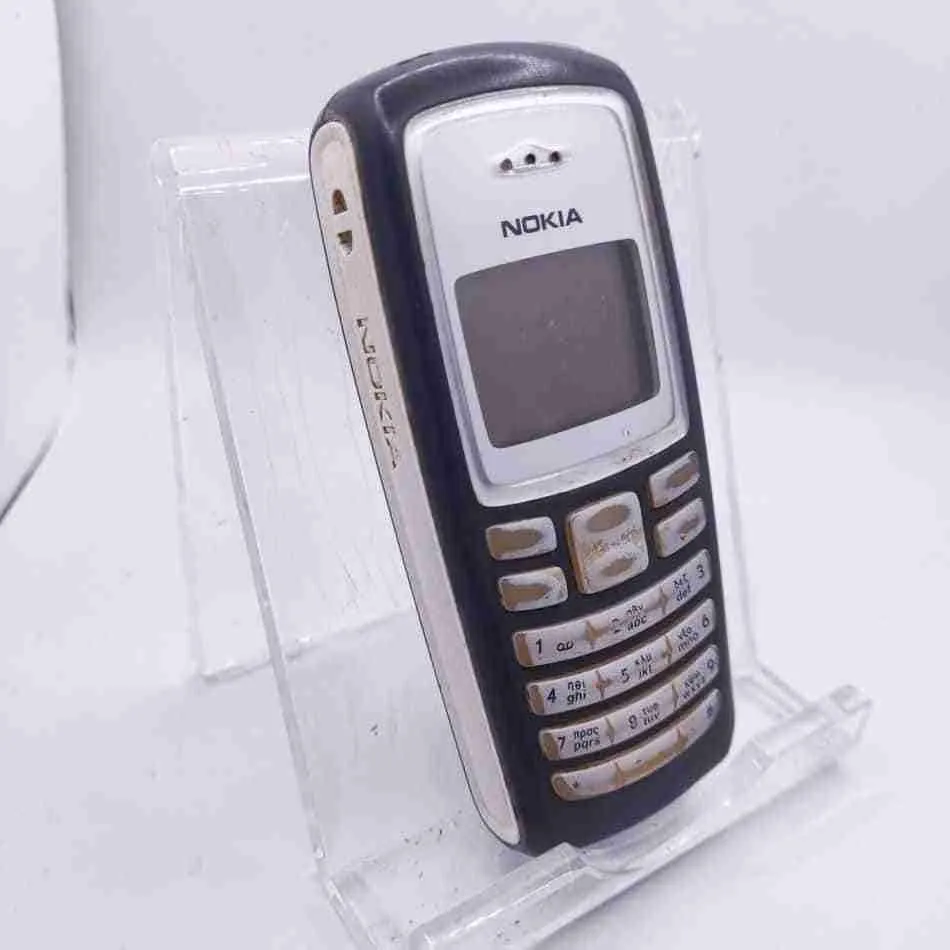
1996: Nokia 2100 was the first color screen phone (ebay.com)
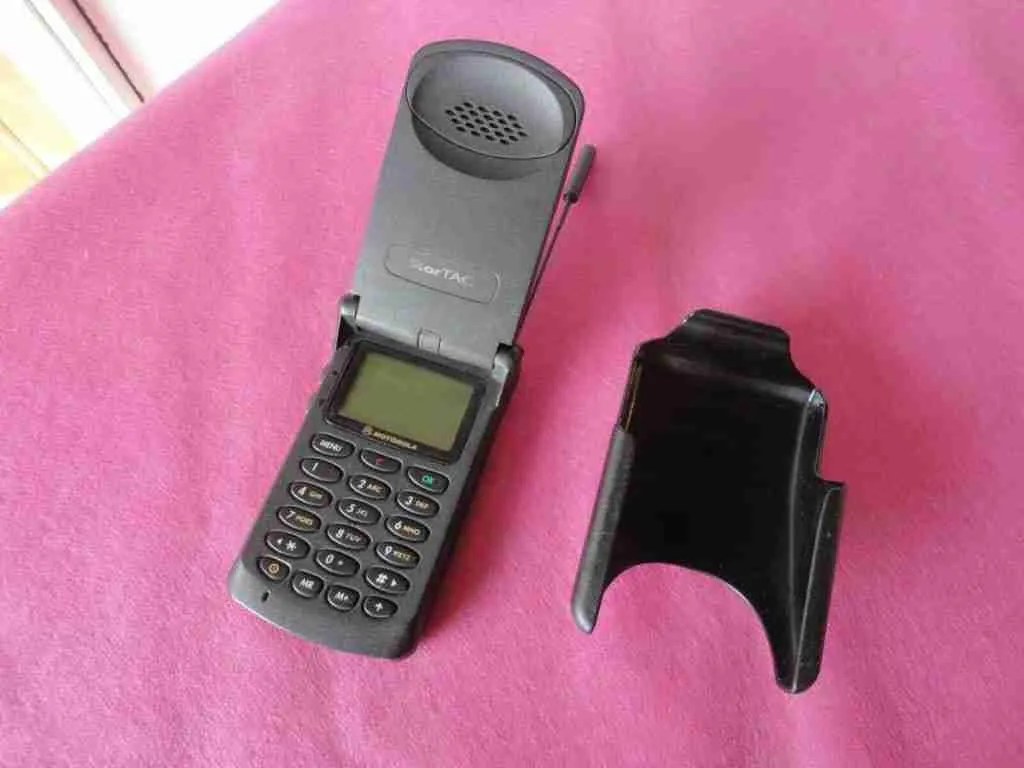
1997: Motorola StarTAC’s first flip cell phone (ebay.com)
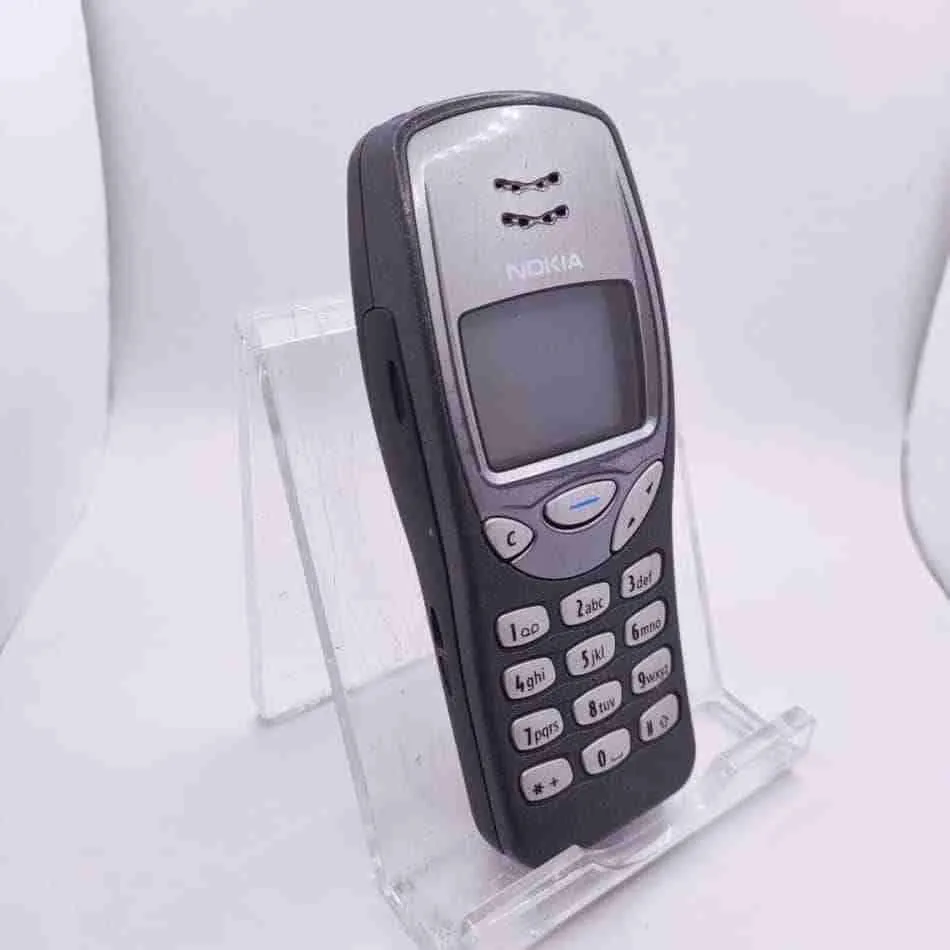
1999: Nokia 3210 was the first mobile phone with a built-in game called the “Snake” game (ebay.com)
2000:Ericsson T39, the first GSM phones (ebay.com)
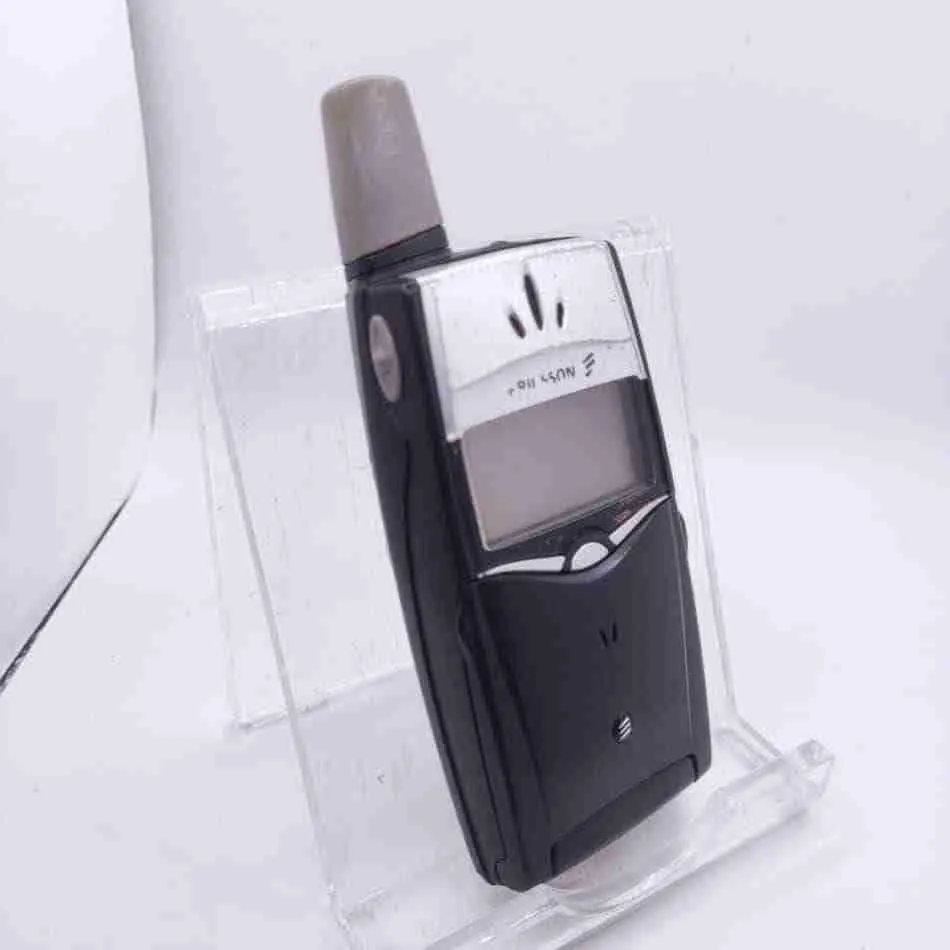
2001: Nokia 6610 was the first camera phone with a color screen (ebay.com)
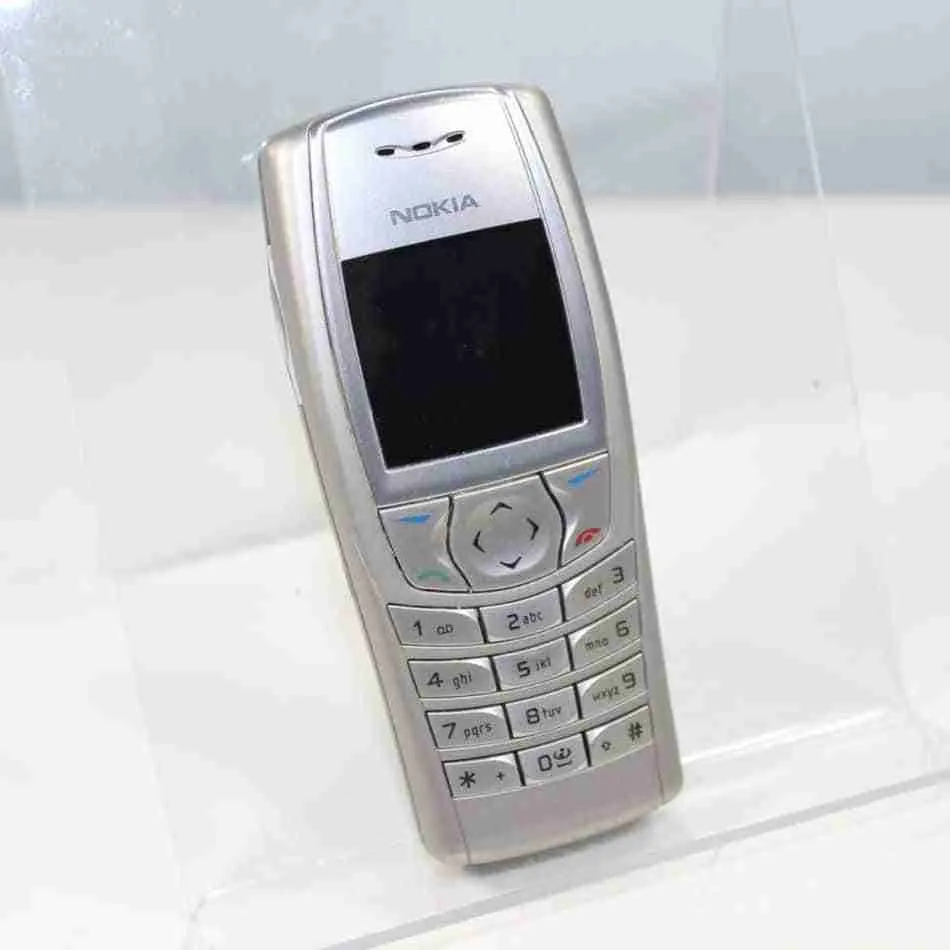
2002: Nokia 7650(ebay.com)
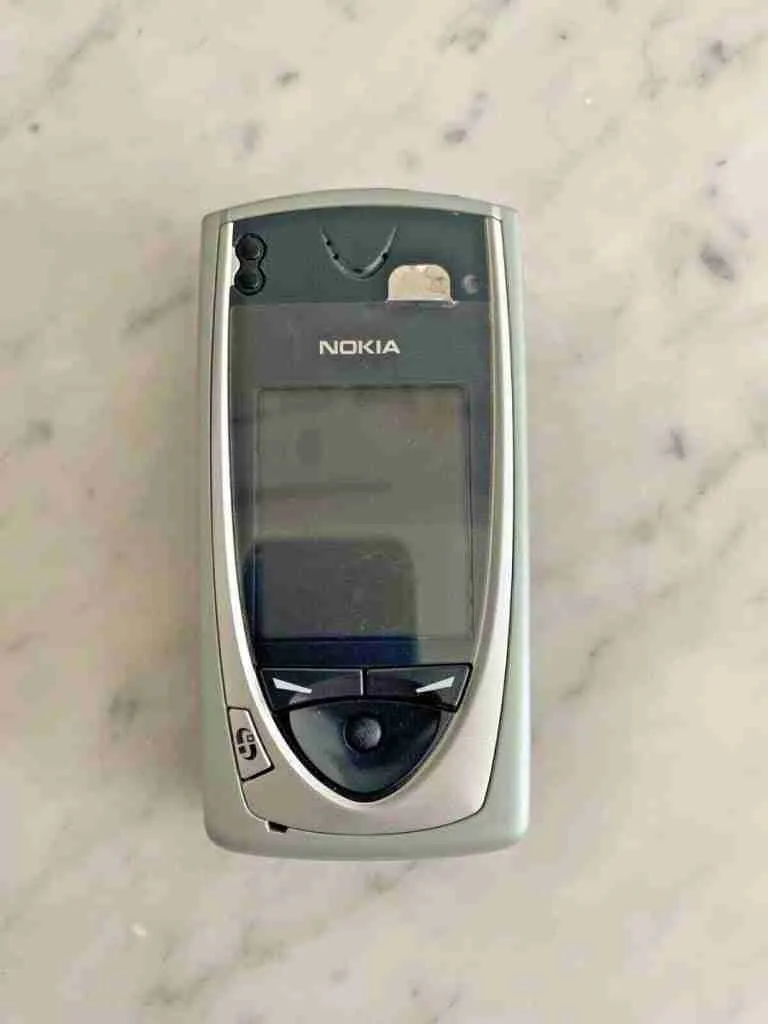
2003: Motorola V70 (ebay.com)
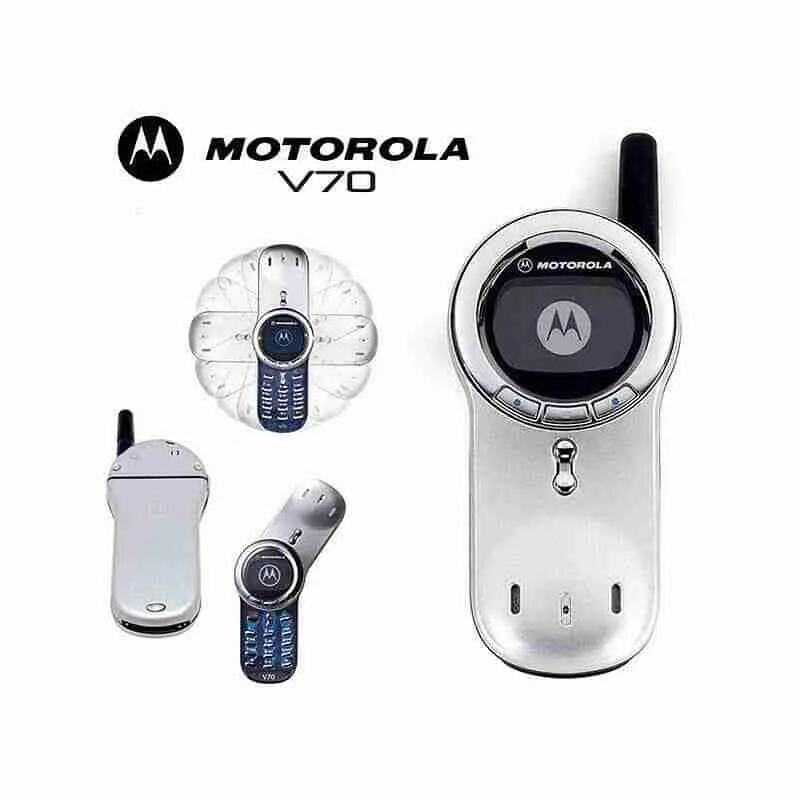
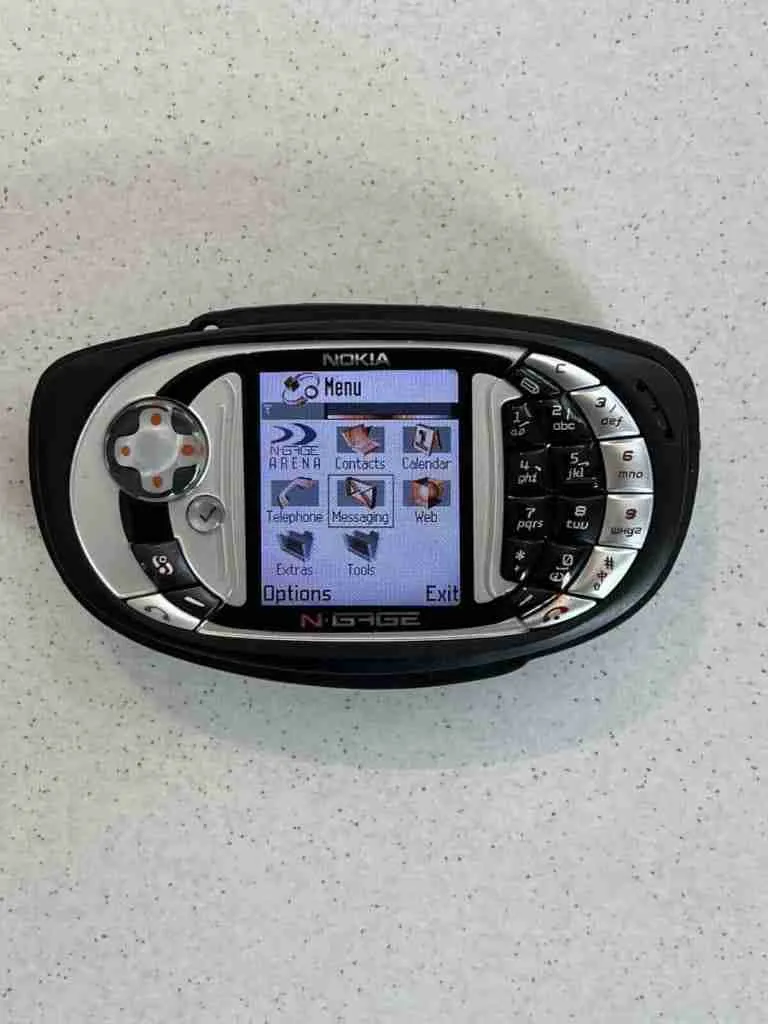
2004: Nokia N-Gage was the first phone with full gaming capabilities (ebay.com)
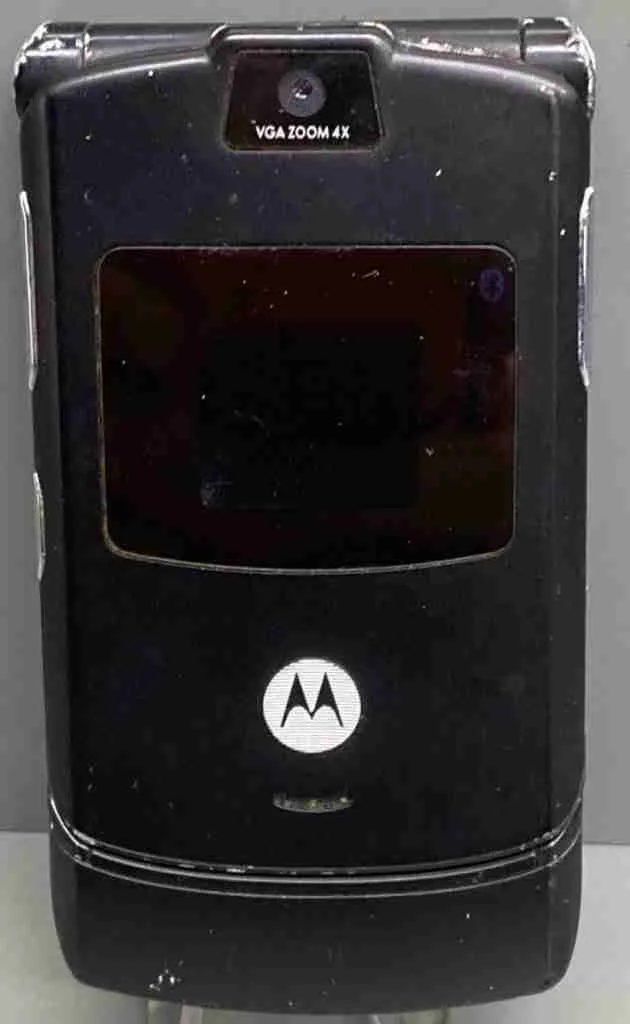
2005: Motorola RAZR this was the first pocket size folding telephone; it was a super thin flip phone (ebay.com)
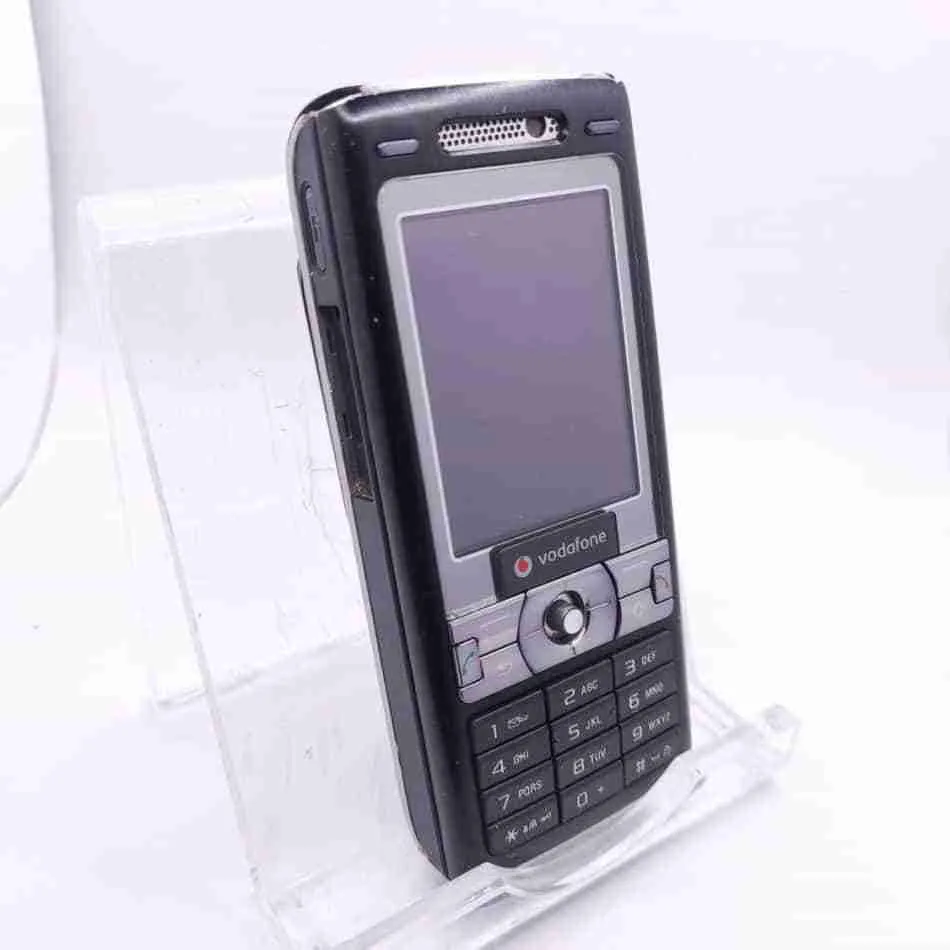
2006: Sony Ericsson K800i included a built-in Xenon flash (ebay.com)
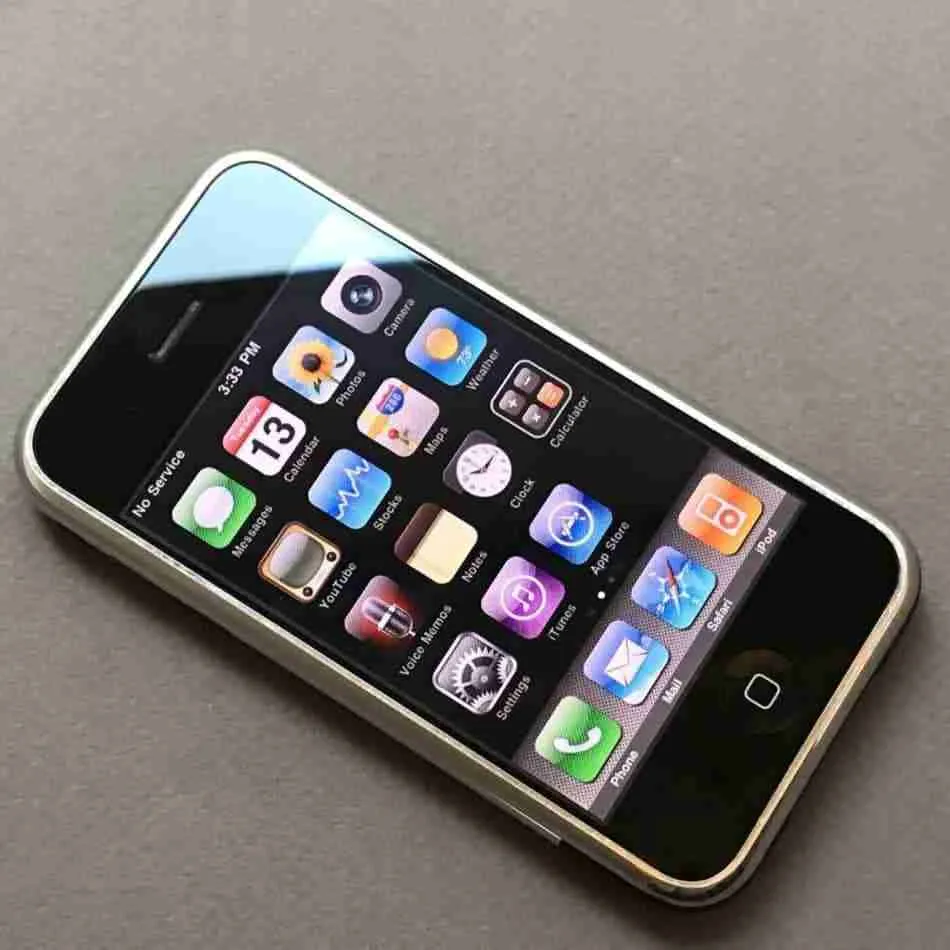
2007: Apple iPhone was the first smartphone first phone with internet. (ebay.com)
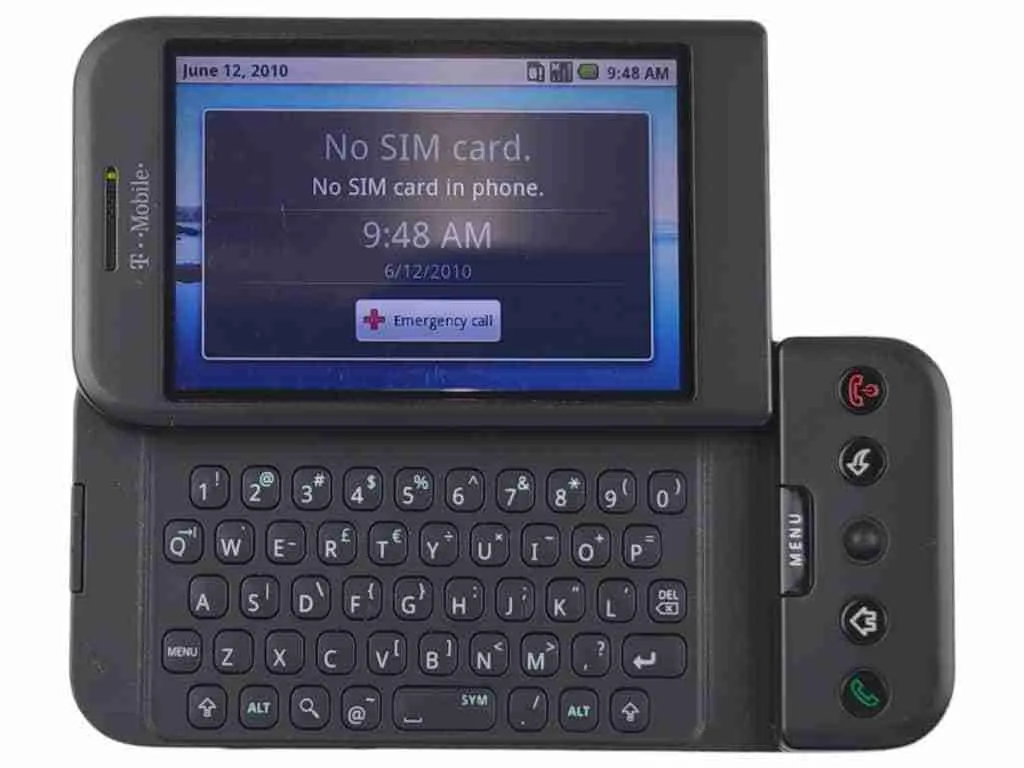
2008: HTC Dream, the first Android smartphone (ebay.com)
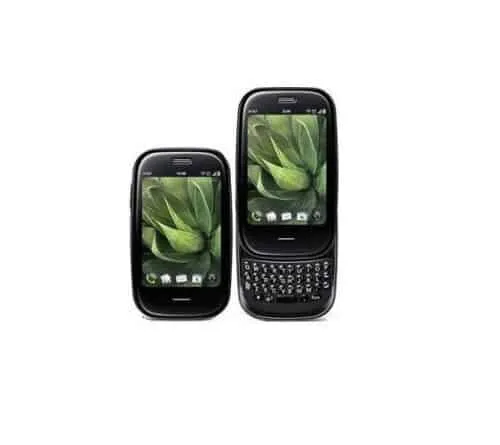
2009: Palm Pre, a mobile telephone, featured a multitouch screen (ebay.com)
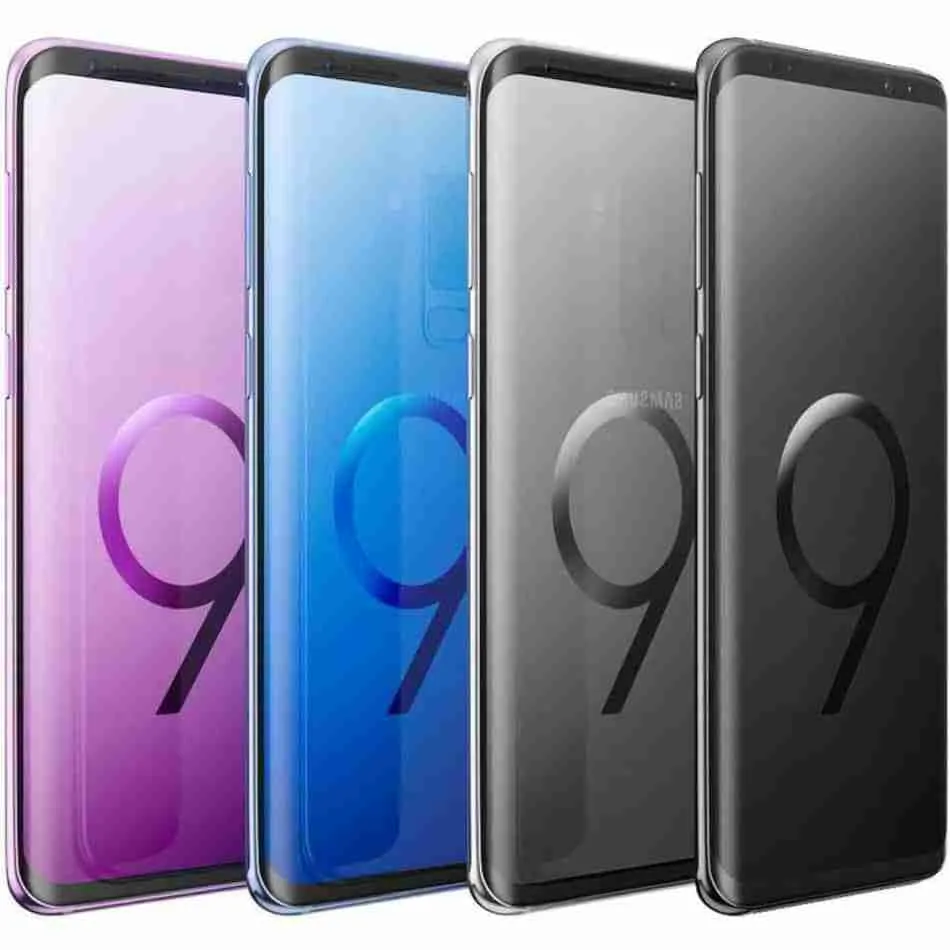
2010: Samsung Galaxy S9, the first Android smartphone with a Super AMOLED display (ebay.com)
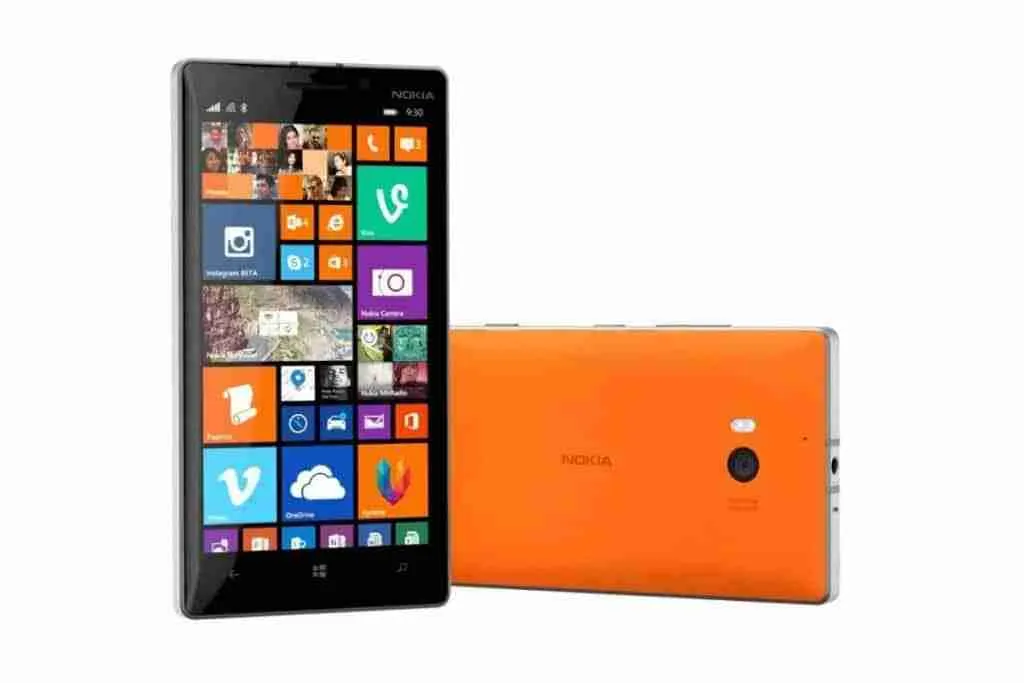
2011: Nokia Lumia 800, one of the first Windows Phone smartphones (ebay.com)
2012: HTC One X has a quad-core processor (ebay.com)
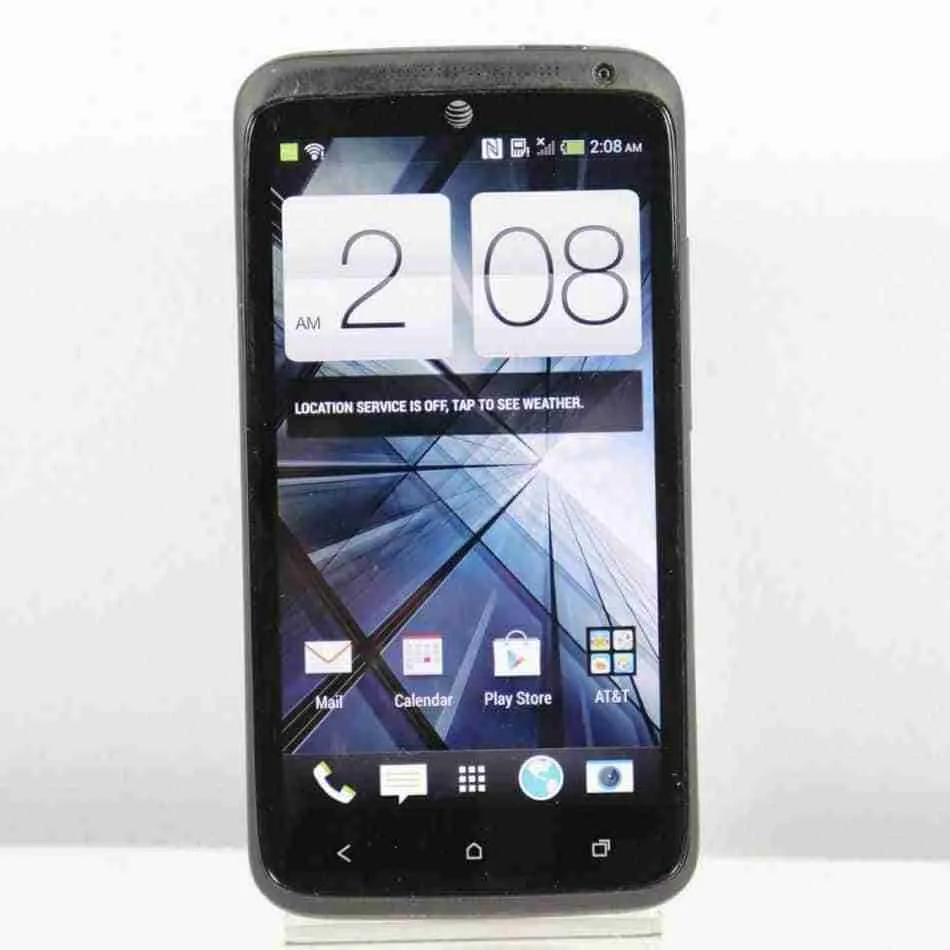
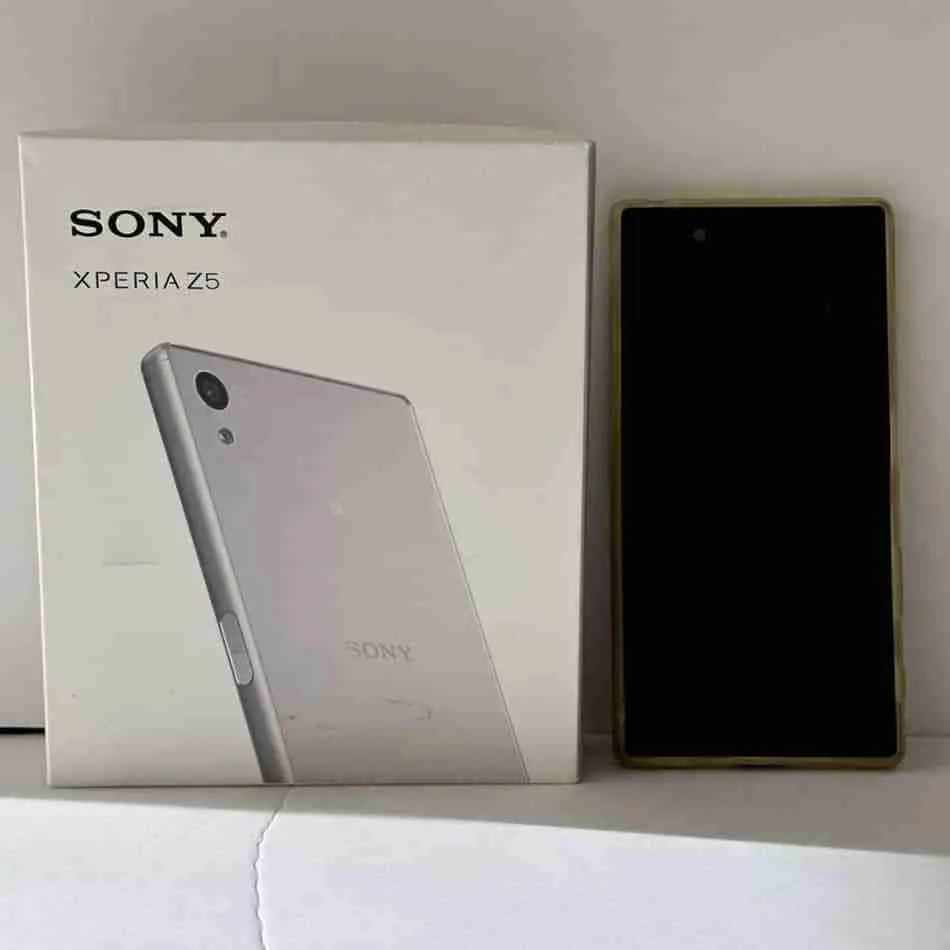
2013: Sony Xperia Z has a water-resistant and dustproof design (ebay.com)
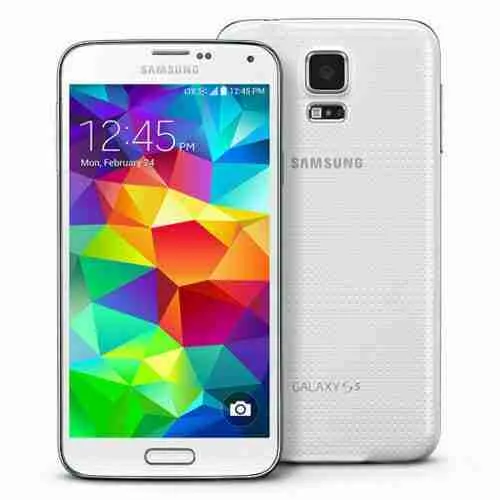
2014: Samsung Galaxy S5 includes a fingerprint sensor (ebay.com)
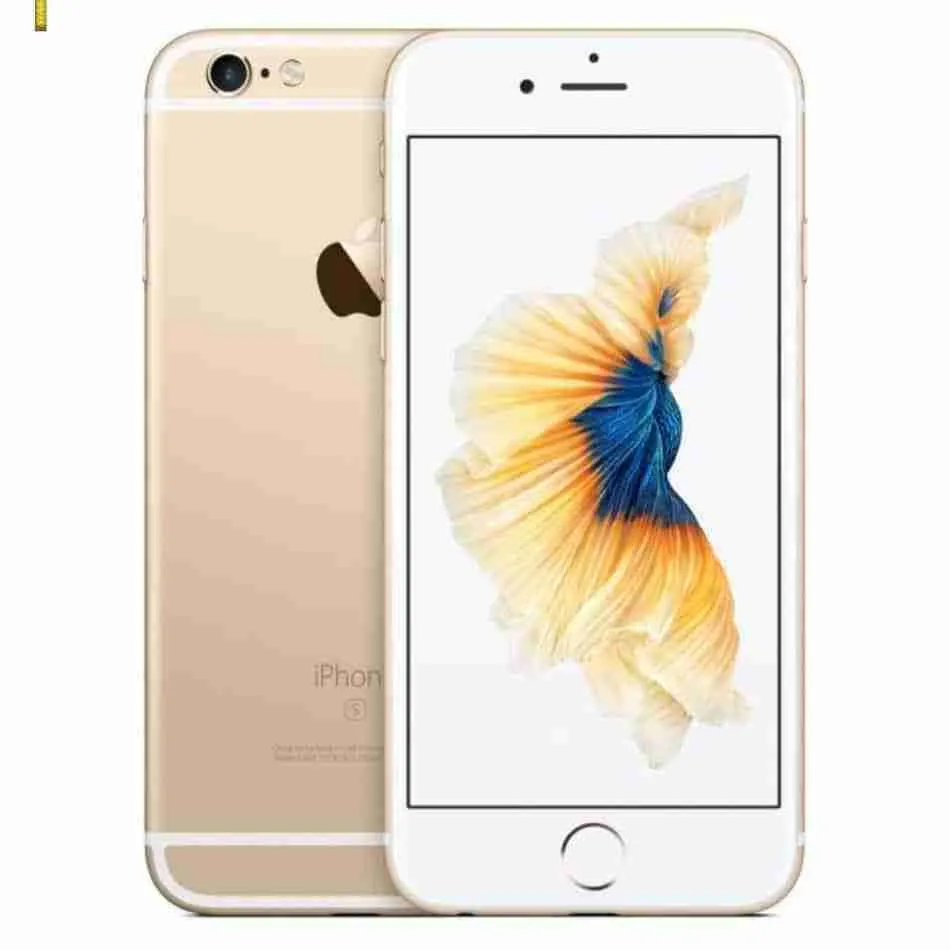
2015: Apple iPhone 6s . have a 3D touch and can bring your picture to life. (ebay.com)
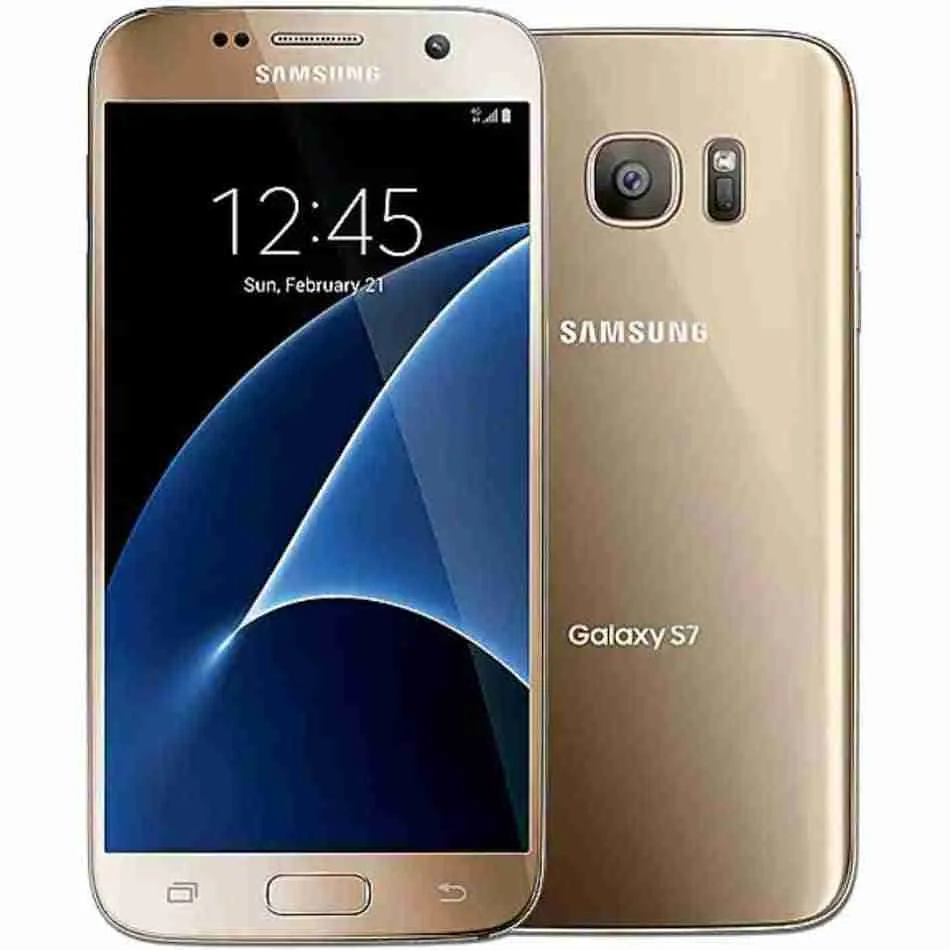
2016: Samsung Galaxy S7 has an Always-On Display (ebay.com)
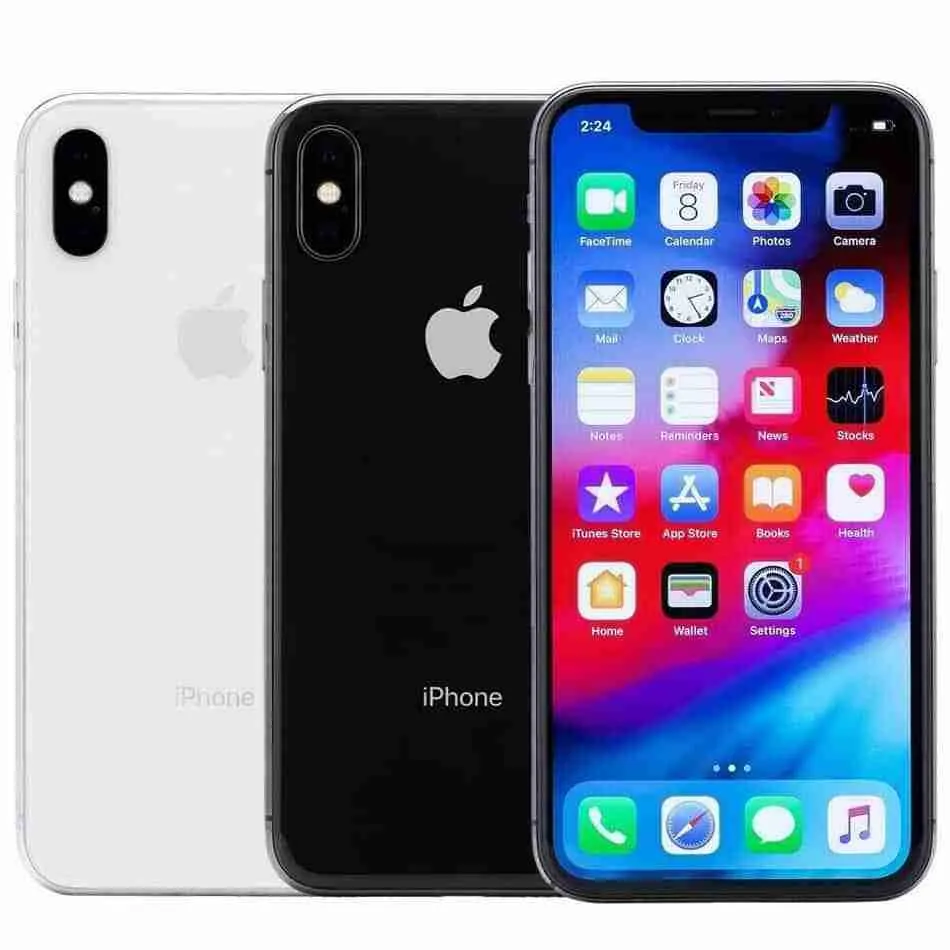
2017: Phone X is released and comes with a bezel-less design (ebay.com)
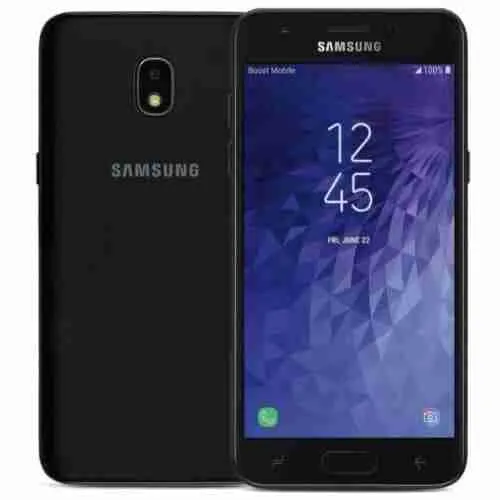
Samsung Galaxy J3 comes with a variable aperture camera (ebay.com)
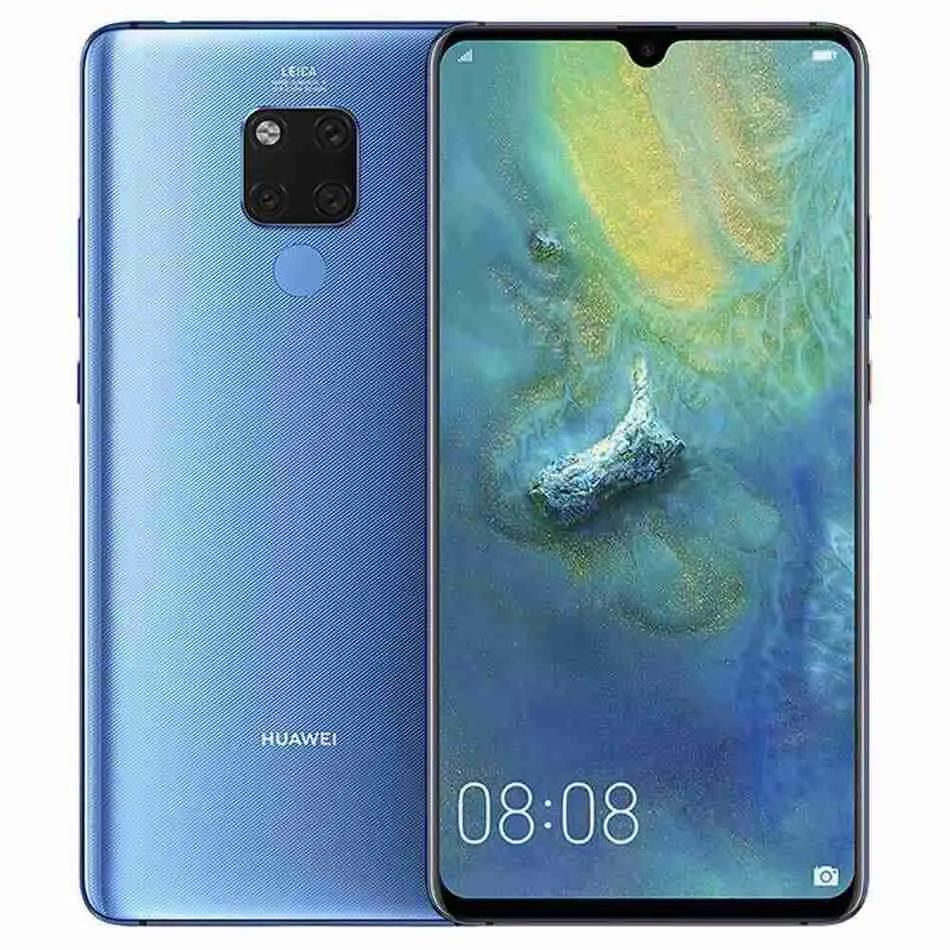
2019: Huawei Mate X is released, one of the first foldable smartphones (ebay.com)
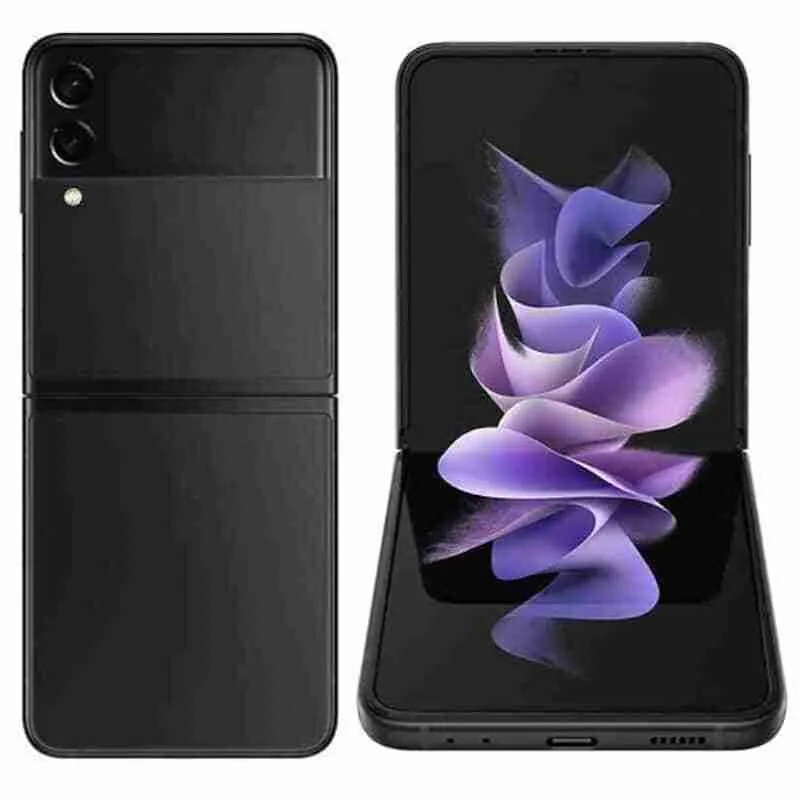
2020: Samsung Galaxy Z Flip is announced, a clamshell foldable phone (ebay.com)
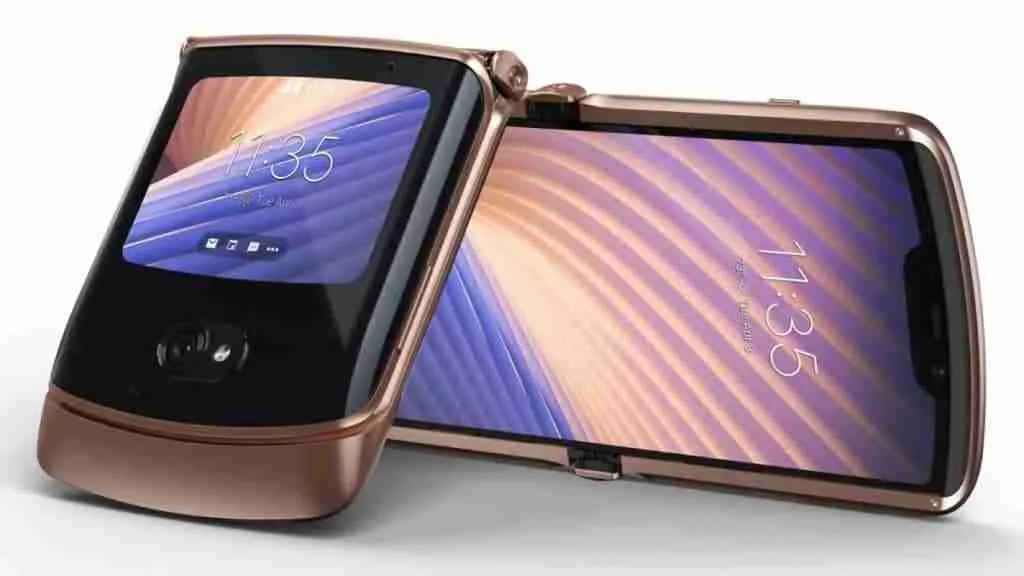
2021: Motorola Razr is re-released as a foldable smartphone (ebay.com)
2022: Apple iPhone 13 pro max 6.7″ Super Retina XDR display with ProMotion. And with 5G, superfast downloads, and high-quality streaming .
.
 .
.The Rise of Mobile Networks: From Limited Coverage to Global Connectivity
Think back to 1983, when Ameritech launched the first cell phone service in the United States, making that first DynaTAC actually useful. It’s hard to imagine now, but there was a time when choosing a mobile provider was simple because there was only one option in your area!
Early Features and Limitations
Those first mobile phones were far from today’s pocket computers.
- Limited to voice calls only
- Battery life charged in minutes, not days
- Charging time of up to 10 hours
- Coverage areas were unreliable
- Prices that would make today’s phones look cheap
Despite these limitations, business users quickly embraced the freedom of mobile communication. The ability to make calls while away from the office was revolutionary enough to overlook the drawbacks.
The Network Evolution
The 1980s brought dramatic changes as technology improved and networks expanded.
- More affordable handsets entered the market
- Battery life improved significantly
- Networks expanded coverage areas
- Text messaging capabilities emerged
- Early internet access became possible
Today’s Provider Landscape
Modern cell phone providers offer something for everyone, each with unique strengths:
- Verizon dominates in nationwide coverage
- T-Mobile leads in urban speed and 5G deployment
- AT&T excels in international connectivity
- Sprint (now part of T-Mobile) pioneered unlimited data
- Smaller carriers like Metro by T-Mobile and Republic Wireless make mobile connectivity affordable.
- Google Fi reimagined service for international travelers
- Visible brought new innovation to the prepaid market
Legacy of Innovation
When you glance at your phone today, perhaps to shoot a 4K video, join a video call, or control your smart home, you’re holding decades of innovation. From those first bulky handsets to today’s sophisticated devices, each advancement is built upon the last. Consider this: the first movie shot entirely on a smartphone would have seemed like science fiction to those early mobile pioneers.
What makes this evolution truly remarkable isn’t just the technology; it’s how each improvement made communication more natural, more accessible, and more integral to our daily lives. Every tap, swipe, and click represents countless development, refinement, and innovation hours by generations of developers, engineers, and visionaries.